
Independent research body warns building science capability at risk
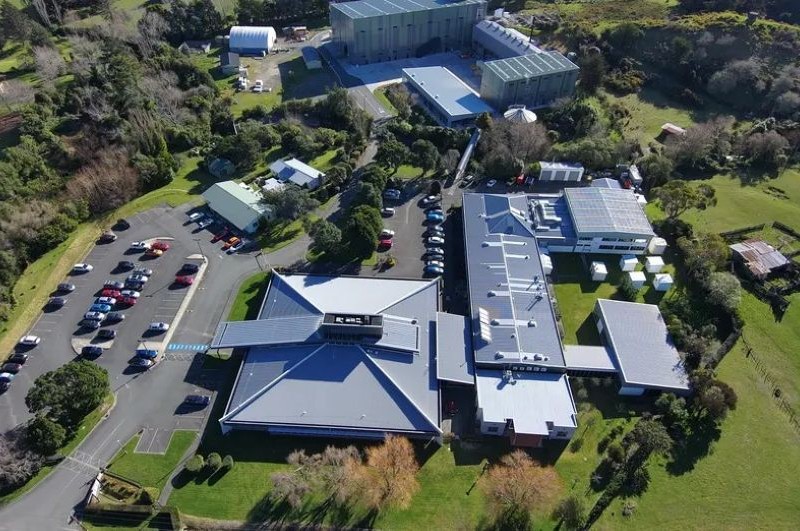
BRANZ Judgeford Research Facility. Photo: BRANZ.
The Independent Research Association of New Zealand (IRANZ) is warning that proposed changes to the Building Research Levy could unintentionally weaken the scientific capability that underpins the safety and resilience of New Zealand homes and buildings.
The Government is reviewing the building and construction system, including a proposal to repeal the dedicated Building Research Levy and move building-related research into a fully contestable funding model. While reform is timely, IRANZ says removing the Levy without clear safeguards risks destabilising the long-term, independent research that keeps the system functioning.
“Contestable funding can deliver good short term outcomes,” says IRANZ Chair Dr John McDermott, “but it cannot sustain the national building science capability that BRANZ has built over decades. Specialist laboratories, national testing facilities, long term datasets and expert teams require continuity and sustained investment over many years. If funding becomes short-term and uncertain, that capability can quietly erode.”
For nearly 60 years, the Levy has helped sustain independent building science through the work of BRANZ. This includes seismic and fire research, moisture and durability testing, product assurance work, and tools used by councils, engineers, and builders to make safe decisions.
Much of this work is not commercially profitable, but it is essential. Standards development, climate resilience planning, and product testing all depend on stable, evidence-based research. Without a protected funding baseline for BRANZ's core capability and facilities, IRANZ says there is a real risk that critical public good research will fall through the cracks.
Under a fully contestable model, no dedicated organisation would be responsible for maintaining the specialist infrastructure, long term datasets and expert teams that this research depends on. Every New Zealander relies on a building system that is safe and fit for purpose,” says Dr McDermott. “We've seen internationally what can happen when testing systems and standards are weakened by fragmented or short-term funding. Once specialist capability is lost, it cannot be quickly or cheaply rebuilt. We should not repeat those mistakes.”
IRANZ supports modernising the legislation but is calling for safeguards if structural changes proceed. These include multi-year transitional funding and explicit baseline support for the critical infrastructure and long term research programmes that cannot be sustained through contestable funding alone. The association says reform should strengthen - not undermine - the independent science that protects homeowners, businesses, and communities.
ENDS
Further information
Open Letter to Members of Parliament - 12 March 2026 (PDF)
For further information, please contact:
Dr Rob Whitney
IRANZ Executive Officer
information@iranz.org.nz
027 292 1050
Date posted: 13 March 2026