Over the past month, IRANZ has been actively engaged in discussions about the future of Aotearoa New Zealand’s research system. On 12 August, I wrote to Hon Dr Shane Reti, Minister of Science, Innovation and Technology, outlining our concerns about reallocations of more than $90 million from existing research funds to support the new Advanced Technology Institute. While IRANZ supports the vision behind the Institute, we stressed the importance of maintaining a strong base of fundamental and applied research to feed innovation. In his reply, the Minister acknowledged these concerns, confirmed that overall investment in the sector will not be reduced, and emphasised the Government's commitment to building a forward-looking, agile SI&T system.
Amid these policy debates, it is also important to celebrate achievements within our community. I am delighted that three IRANZ members - Peter Barrowclough, Professor Graham Le Gros, and Dr John McDermott - have been recognised as Companions of the Royal Society Te Apārangi, alongside former Gillies McIndoe Research Associate Dr Bronwen Kelly.
These honours highlight the breadth of research across our membership, from economics and public policy to immunology, precision agriculture, groundwater, and materials science. Together, we demonstrate the diverse strengths of independent research in New Zealand.
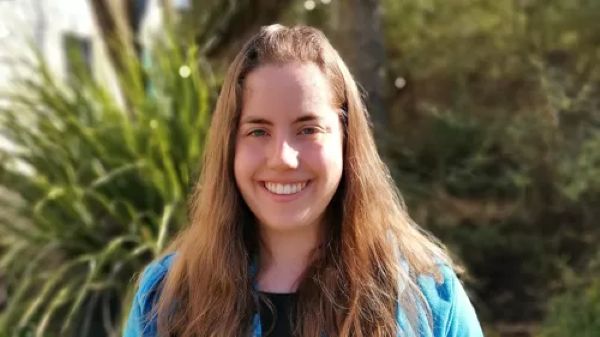
Erica Sue-Tang, a Research Assistant in Lincoln Agritech's New Materials Group, was named as one of 21 finalists in this year's Falling Walls Lab Aotearoa New Zealand. She went on to place second in the competition in August. Falling Walls Lab is a global search for world-changing new ideas from students or early-career scientists. Photo: Lincoln Agritech.
Three Independent Research Association of New Zealand (IRANZ) members have been honoured as Companions of the Royal Society Te Apārangi, recognising their decades of service to science, innovation, and public policy.
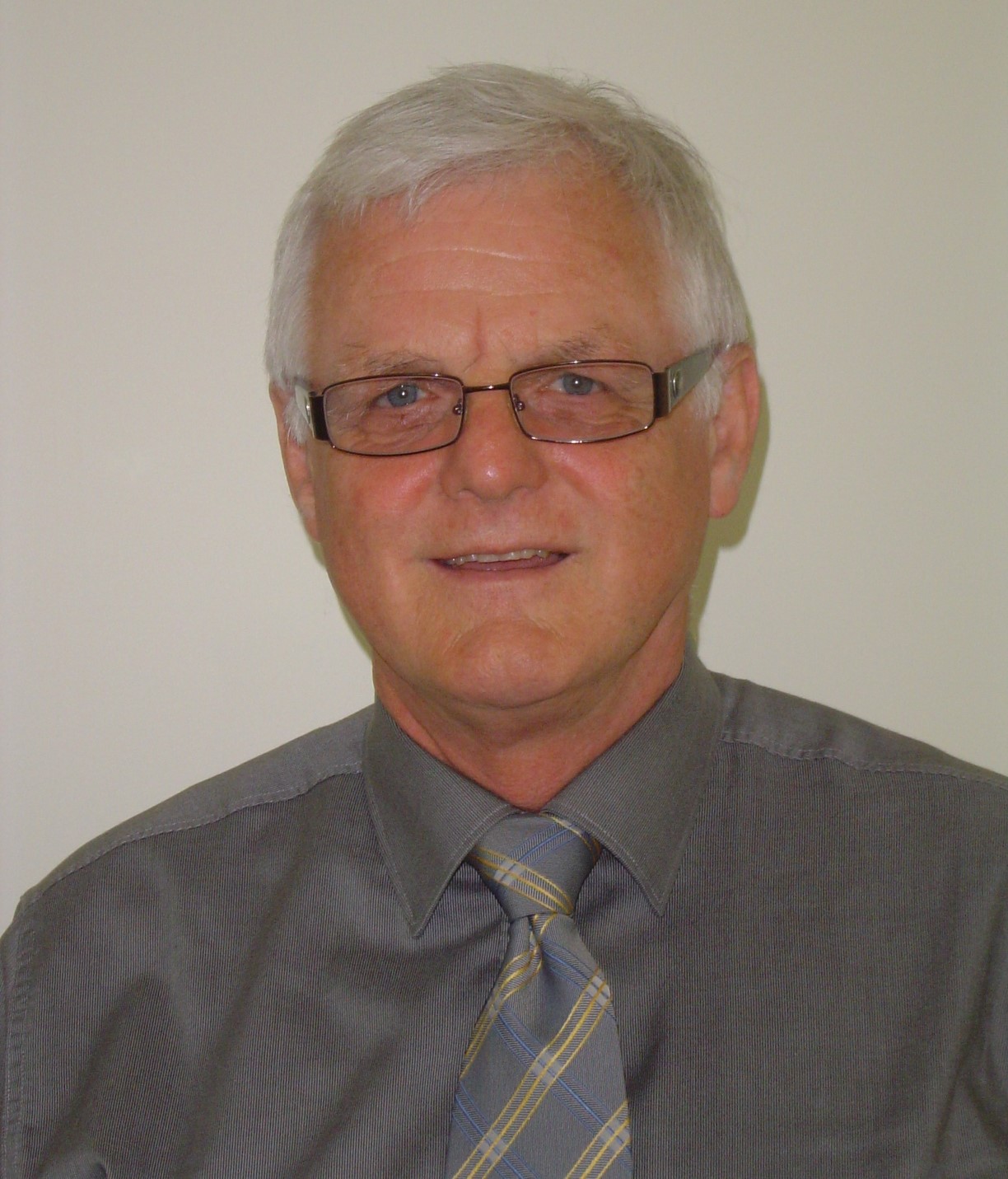
Peter Barrowclough, Chief Executive of Lincoln Agritech from 2009 to 2023, was recognised for his leadership in transforming the organisation into a hub of innovation. Under his direction, the company grew significantly, advancing research in precision agriculture, groundwater, robotics, and new materials.
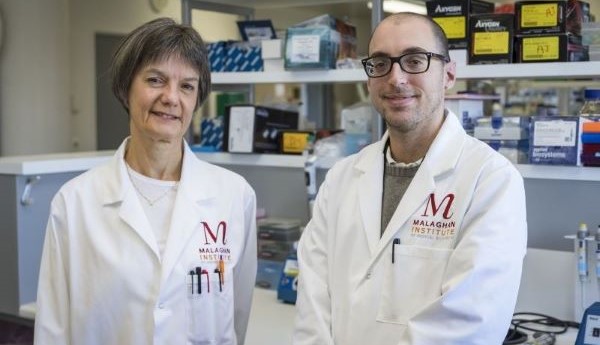
Professor Graham Le Gros CNZM FRSNZ was honoured for more than 30 years at the helm of the Malaghan Institute of Medical Research. He developed it into a world-class centre for immunology, leading pioneering work in allergic and parasitic diseases and overseeing New Zealand's first CAR T-cell clinical trials, as well as playing a key role in building domestic vaccine capability.
Dr John McDermott, Executive Director of Motu Economic and Public Policy Research, was recognised for sustained contributions to economics and public policy, particularly in climate change, land-use, and human rights.
Also honoured was Dr Bronwen Kelly, a former Research Associate at Gillies McIndoe Research Institute until 2022.
New BRANZ research reveals corrosion on the Chatham Islands occurs up to 22 times faster than on mainland New Zealand - nearly twice the rate of Europe's most extreme marine environments.
Out in the South Pacific, 800 kilometres east of mainland Aotearoa New Zealand, the Chatham Islands endure a raw and unforgiving climate. With no surrounding landmass to soften the blow, the island is battered by salt-laden winds. For the 600 residents, building resilience isn't optional - it's essential.
Despite their remoteness, the Chatham Islands' battle against the elements - especially extreme corrosion on their buildings - is nationally relevant. As climate change intensifies, these conditions could be a preview of what's to come elsewhere in New Zealand by the end of the century.
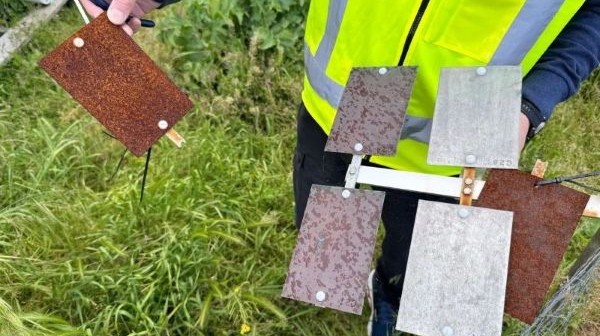
Under New Zealand's building standard for corrosion, the Chatham Islands had long been classified as 'Zone D', but there was no hard data to back it up. In 2021, the Building Research Association of New Zealand (BRANZ) joined forces with researchers from the Joint Centre for Disaster Research at Massey University, to investigate.
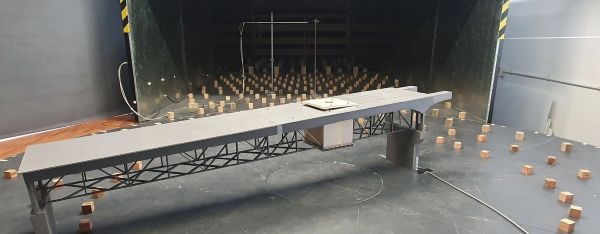
Sometime in the not-too-distant future eagle-eyed Aucklanders may spy a large scaffold structure hanging beneath the Auckland Harbour Bridge. Behind the wrapping will be a platform - used by workers as they re-coat the bridge in anti-corrosion paint. But what the public won't have seen is a scale model of the structure being battered by extreme winds in WSP's wind tunnel.
As part of ongoing maintenance by the Auckland System Management Alliance, steel structures like the Harbour Bridge need to be protected from corrosion using specialised coatings. Removing the old paint must be done carefully to prevent flakes from polluting Waitematā Harbour - hence the need for a fully enclosed scaffold.
Hanging a scaffold beneath a bridge may seem straightforward, but it's anything but. Structural engineers from Beca needed to understand exactly how wind would affect the scaffold and bridge. That's when WSP entered the picture.
"In the first half of last year, we ran detailed desktop calculations and did a wind tunnel test. We took a 1/100 scale model section of the bridge and scaffolding, complete with 3D-printed parts, and spun it through 360 degrees of wind," says WSP principal research engineer Nick Locke.
New Zealand's construction sector is under growing pressure to cut costs, lower carbon, and improve resource efficiency. HERA's Structural Sustainability and Circular Economy Engineer, Osama Mughrabi, says a Digital Steel Passport (DSP) could be a game-changer.
The DSP is a traceable digital record that follows a steel product through its life, holding verifiable data on composition, mechanical properties, coatings, fabrication, maintenance, and significant life events. This information makes it easier to verify performance and enable safe reuse rather than downcycling or disposal.
Research shows reusing structural steel can cut carbon emissions by up to 97 percent. Mughrabi notes that on Auckland's Civic Administration Building project, the absence of a DSP added around $60,000 and three months to the programme.
Globally, the move toward Digital Product Passports is accelerating, with the EU introducing regulations from 2027. Aligning with these developments could improve New Zealand's competitiveness, reduce reliance on imports, and keep more value in the local economy - while supporting a circular, low-carbon construction future.
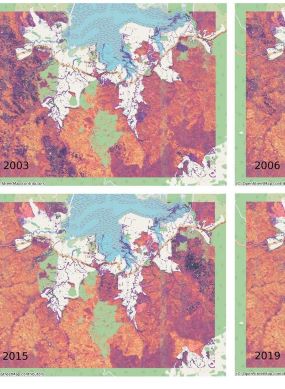
Dragonfly Data Science and NASA are joining forces to map every single tree across Aotearoa, offering a view unlike before - from space.
The three-year, $1-million project, awarded under the Catalyst Fund by the Ministry of Business, Innovation & Employment, will use spaceborne NISAR (L-band and S-band synthetic aperture radar) technology to build a 3-dimensional forest map that measures the height, condition, density, and carbon-storing potential of forests across the entire country.
"There's no hiding from space," says Dragonfly's Director of Data Science, Dr Finlay Thompson.
"For the first time, we'll have nationwide data that are accurate enough to monitor carbon, but also practical enough to support everyday land-use decisions."
Dragonfly will translate NASA's high-resolution satellite data into practical tools for landowners, iwi, farmers, councils, and government agencies. These tools will make it easier, for example, to track forest growth and re-growth over time, and to understand the carbon value of trees.
"You can't value what you can't measure," says Finlay. "This project will give landowners a way to know exactly what their forests are worth, as well as a tool to prove it."
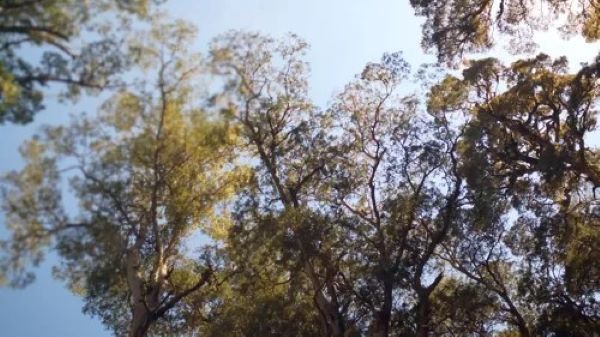
Soil microbes may hold the key to New Zealand meeting its 2030 Paris Agreement carbon sequestration commitments, and a new research programme aims to make that possible.
Lincoln Agritech has been awarded a $1m Smart Ideas grant by the Ministry of Business, Innovation and Employment (MBIE) to investigate adding lost soil microbes to native reforestation programmes to enhance carbon sequestration and improve plant growth.
More than one million hectares of land in New Zealand has been identified as suitable for native reforestation, offering one pathway for the country to meet its Paris Agreement obligations.
However, the original deforestation of this land has had a major impact on the soil microbial community, affecting the soil's ability to store carbon and nutrients. As a result, many seedlings fail to flourish, growing more slowly than plants in healthy soil, which also reduces their ability to sequester carbon.
Led by Lincoln Agritech's Biotechnology Team Leader & Senior Scientist Simon Kelly, the research programme's multi-disciplinary team aims to identify which microbial carbon sequestration pathways are missing from cleared parcels of land.
Synthetic milk is produced by precision fermentation, which uses genetic modification of microbes to produce a protein that mimics the protein found in a desired dairy product. Photo: Photo by Kt Rb, Unsplash.
Synthetic milk might seem like science fiction — but its future is edging closer, and it could reshape our economy in Aotearoa New Zealand. Journalist Eric Frykberg from Interest.co.nz interviews Motu Senior Fellow Professor Niven Winchester (in his AUT capacity) about new research that shows large-scale synthetic dairy could lower the price of New Zealand's biggest export, with serious flow-on effects for our economy.
The scale of disruption, though, would vary, and there is slow progress at present towards making synthetic milk economic. However, it raises big questions for the future of farming, trade, and regional resilience.
“Large-scale production of synthetic dairy products - that decreases the price of New Zealand's largest export commodity - will have a significant negative impact on this economy,” says Niven.
Eric writes that this issue has arisen after years of analysis which argued that putting grass into a cow is wasteful because a lot of the output is diverted into growth of the animal. "Putting a feedstock such as sugar into a test tube could produce milk which has far less waste, and would have lower environmental side effects."
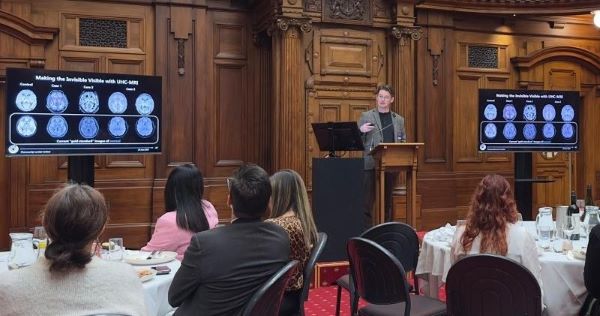
Mātai Senior Research Fellow Dr Josh McGeown shared recent work on mild traumatic brain injuries (mTBI) and concussion at last month's Parliamentary Science Forum on 25 June. The event had a focus on "emerging issues in health".
Traditional imaging technologies cannot reliably detect a “mild” brain injury - the kind common with collision sports like rugby - but that doesn't stop these kinds of injuries from causing lasting harm. Mild traumatic brain injuries (mTBIs) often lead to months of reduced quality of life, time missed from work or school, and escalating ACC payouts. Without accurate diagnosis, people with mTBIs may not receive the support they need for recovery.
Josh is using novel MRI-based techniques to develop a more sensitive test to detect mTBIs. For this, he collaborates with rugby players at a local high school, who undergo brain scans before, during, and after the rugby season to track changes in their brains. MPs saw images of brains before and after injury, using classic MRI or Mātai's novel MRI method - the Mātai scans showed a repeatable difference post-injury.
Mātai hopes their new protocols will make these invisible injuries visible, enabling more accurate diagnosis and streamlined care pathways.
The results of the Phase III Batura trial, announced by AstraZeneca in May, offer compelling evidence that a new combination anti-inflammatory reliever inhaler — albuterol/budesonide — can significantly reduce the risk of severe asthma exacerbations in adolescents and adults.
Led by an international research team, the Batura study found a 47% reduction in the risk of severe asthma attacks compared with standard albuterol-only reliever treatment. Albuterol is known as salbutamol outside of the US. These results mirror the findings from earlier studies of the budesonide/formoterol combination inhaler, which demonstrated a 55% reduction in exacerbation risk in people with mild asthma.
"The Batura study provides further evidence supporting the use of a 2-in-1 combination anti-inflammatory reliever inhaler in the management of asthma in adolescents and adults. The 47% reduction in severe exacerbation risk seen with albuterol/budesonide in the Batura trial is comparable to the 55% reduction reported in similar studies of mild asthma using the combination budesonide/formoterol reliever inhaler. This means health professionals and patients may soon have a choice between two combination reliever therapies," says Professor Richard Beasley, Director of the MRINZ and a senior author on the study.
Research from the Malaghan Institute has added an important piece to the puzzle of allergic disease, showing that cellular signalling molecules, type I interferons, are essential in driving allergic responses in the skin.
Type I Interferons are a family of circulating proteins that are released by cells in response to the presence of harmful organisms, especially viruses. They "interfere" with viral replication by triggering protective defences in nearby cells.
In addition to the role interferons play in fighting viral infections, the Ronchese Laboratory at the Malaghan was one of the first groups to show that type I interferons also play a role in promoting allergic disease in the skin.
"This research builds on our previous work demonstrating that blocking type I interferons reduces the allergic response," says team leader in the Ronchese Laboratory Dr Olivier Lamiable.
"That in itself was surprising at the time, as type I interferons are one of the main signalling molecules needed to fight viruses - not something one would immediately associate with allergies. However, subsequent research by us and other groups around the world have shown that type I interferons are involved in activating dendritic cells."
Researchers from Mātai Medical Research Institute in Gisborne are helping develop a new MRI scan method, which they say can detect subtle brain lesions in multiple sclerosis patients not seen on current state-of-the-art scans. The research was recently highlighted in the Gisborne Herald.
According to a recent journal paper published in a special issue of Recent Advances in MRI of Multiple Sclerosis, the new method offers 10 times more contrast, which could enable earlier detection and precise monitoring of multiple sclerosis (MS).
Paul Condron, Mātai charge technologist and one of those who worked on the paper, said the new method was likely to significantly improve how doctors detect and monitor MS, including progressive disease.
"It is a major leap forward in MS imaging."
He said the first study demonstrating the use of MRI in MS was published in 1981 by a team from the Royal Postgraduate Medical School (UK), including Professor Graeme Bydder.
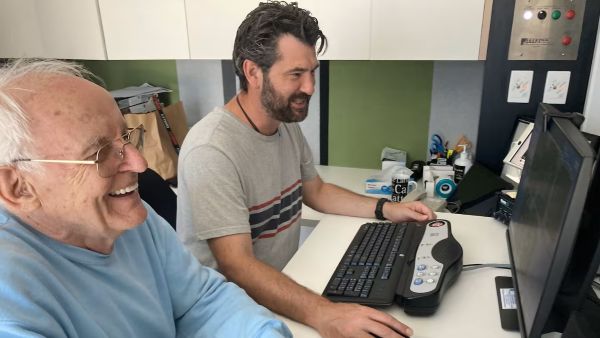
Emeritus Professor Graeme Bydder with Mātai charge technologist Paul Condron seeing UHC MRI in action for the first time. Photo: Mātai Medical Research Institute.
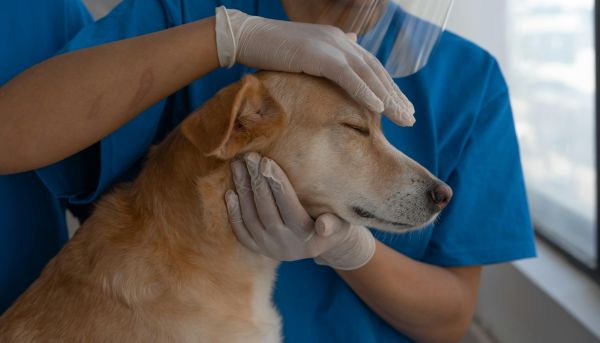
A recent Estendart Research Laboratory (ERL) study has explored new approaches to managing pain in companion animals, revealing a pressing need for improved treatments. Research shows that one in three dogs presented at veterinary clinics exhibit clinical signs of pain. Yet only 53% receive analgesia during their visit, and just 31% are prescribed at-home pain relief - leaving around 16% untreated. Untreated pain can progress to chronic conditions if not addressed promptly.
Traditional approaches, such as daily oral or injectable medications, often pose challenges for both owners and pets, ranging from difficulty administering doses to poor compliance. ERL's study highlights the potential of long-acting, sustained-release analgesics as an alternative. These formulations improve dosing accuracy, enhance compliance, and reduce the burden on owners while ensuring consistent, effective care.
“We are proud to collaborate with forward-thinking sponsors committed to developing solutions that benefit animals, their owners, and the veterinary teams who care for them,” says Shirli Notcovich, ERL Research Leader.
Cawthron Institute scientists have been awarded a significant research grant through the Ministry of Business, Innovation and Employment's (MBIE) Endeavour Fund - Smart Ideas 2025 investment round, to lead a pioneering new project aimed at improving climate resilience in Aotearoa New Zealand's aquaculture sector.
The two-year project, Supercharging Mitochondrial Function, will be co-led by fish physiologist Dr Leteisha Prescott and senior aquaculture scientist Dr Jane Symonds. It will investigate how improving mitochondrial function - often referred to as the “powerhouses of the cell” - can enhance the performance, robustness, and survival of key aquaculture species such as salmon, snapper, oysters, and Greenshell mussels.
"This is about unlocking a new tool to help future-proof Aotearoa New Zealand's seafood sector," says Dr Symonds.
"As climate change brings increasingly warmer waters and extreme weather events, it's crucial that we develop strategies to strengthen the resilience of our farmed species."
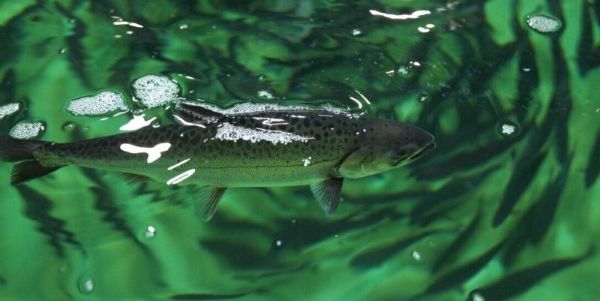
Juvenile salmon. The new research project will explore both genetic and environmental levers to improve mitochondrial efficiency, including how targeted breeding, nutrition, and husbandry practices can support improved metabolic function and stress tolerance. Photo: Cawthron Institute.
Resource consents are crucial to most farming operations. However, they are often left in the bottom draw until there is a problem.
It's common for us to overlook the importance of regularly reviewing our consents. By neglecting to review them we increase the likelihood of non-compliance, we could miss an opportunity to ensure the consents are appropriate for what we want to do, as well as potentially missing other opportunities the consents may provide.
Reviews can identify where there may not be full compliance, allowing corrective action to be taken before regulators intervene. Consents are not set in stone, some aspects of them can be altered to better reflect the needs of the farming operation. If changes are required, they can often be made without putting the consent at risk. On many occasions consent holders have said that they are nervous about altering a consent as they feel that Environment Canterbury (ECan) will impose more restrictive conditions. This is not typically the case and if you have sought advice from a reliable source, you will understand what is likely to happen and whether there are any risks involved.
Keeping track of expiry dates of consents is particularly important. ECan are not obliged to inform consent holders of expiry dates and when they do, sometimes letters can go missing.
Bragato Research Institute (BRI) has announced six new research projects approved for funding following its March call for expressions of interest. This year's focus was on innovative wine products and improved grape and wine circularity, with funding allocated from a $300,000 pool.
Each proposal was assessed by BRI's Research & Innovation Committee. Additional projects are in development to ensure coverage of BRI's priority research areas.
The approved projects are:
Early powdery mildew detection using VOC sensors (Scentian Bio)
Carbon Calculator trial with 100 growers to support net zero goals (BRI)
Single Vine Wine methodology for ultra-small-scale winemaking (Plant & Food Research)
Insect frass in viticulture as a circular soil amendment (Plant & Food Research)
Genetic and epigenetic profiling of Central Otago Pinot Noir clones (BRI)
Containment solutions for grape marc to reduce nitrate leaching (BRI)
Together, these projects support sustainability, innovation, and future-focused practices for Aotearoa New Zealand's wine industry. Further projects will be announced in the coming months.
Scarlatti's Research Manager Phoebe Gill continues her ongoing series examining the use of AI in education. Earlier this year, Scarlatti developed their own Artificial Intelligence (AI) agent for oral assessment to explore whether it could help improve outcomes for students who are neurodiverse, speak English as a second language, or have learning difficulties. Since then, they've undertaken two pilots, an evaluation, and published their five key practical lessons for education providers wanting to trial a similar agent.
The article series acts as a beginner's guide to the use of AI in education. The series has been developed as part of a project to develop an AI agent for learner oral assessment, funded by the Food and Fibre Centre of Vocational Excellence.
"Across both pilots, there was a 95% match between the preliminary grade given by the agent and the grade given by a human tutor. We interpret this as high given that human graders themselves would likely have some variation between different teaching staff.
"Where there were grading mismatches, it was mostly when the AI had graded someone as not yet competent, and the tutor disagreed... these mismatches were often due to fixable inaccuracies in the training data."
What is the true value of a policy project? For governments, the answer underpins both fiscal discipline and public trust.
Arthur Grimes, Motu Senior Fellow, and Dennis Wesselbaum, Motu Affiliate, argue that New Zealand already has a world-class tool for this purpose: the Treasury's CBAx cost-benefit analysis model.
Developed in 2015, CBAx standardises assessments of long-term fiscal and social impacts across health, education, justice, and wellbeing. It provides a consistent, transparent framework for comparing initiatives, improving both the number and quality of analyses submitted with budget bids.
However, the authors note that many major projects, such as Auckland Light Rail, have bypassed the tool entirely - leading to wasted resources and missed opportunities.
They suggest expanding CBAx's database of impact values, boosting training for public servants, and embedding the tool more deeply in policy design. Used well, CBAx can ensure government spending delivers real and measurable value.
The linked article was published in The Conversation and featured by RNZ.
In an OpEd for the Conversation, Tama Braithwaite-Westoby, Māori Engagement Officer at the Malaghan Institute, explains how a Māori worldview describes the immune system as a guardian and how this could improve public health in Aotearoa New Zealand.
In biomedical science, the immune system is described as a cellular defence network that identifies and neutralises threats. In te ao Māori (the Māori worldview), it can be seen as a dynamic system of guardianship, known as te pūnaha awhikiri.
For Māori, wellbeing is relational and interconnected. It encompasses physical, mental, spiritual and environmental health. Within this understanding, we can think about the immune system as a living guardian that protects and regulates an individual's internal balance and connection to the wider world.
Te pūnaha (system) awhikiri (immunity) expresses how the immune system functions through the lens of mātauranga Māori (Māori knowledge), including through concepts such as kaitiakitanga (guardianship), whakapapa (genealogy) and tautika (balance).
In the August Issue of Canterbury Farming, Aqualinc's Jim Herbison reports that the need for real-time data for both farm management and compliance is becoming increasingly important. Often implementation of these systems is considered a compliance 'box ticking' exercise but treating them as such and not actively using the data results in lost opportunities.
"Water use, power, soil moisture and weather data are vital inputs into any Farm Management system. Often, they are used in isolation but combining them allows for reporting and benchmarking to ensure maximum efficiency and profitability. Proof of collection and use of this data is often necessary to ensure an A grade FEP Audit result.
"As resource consents come up for renewal this data will be vital as a pre-requisite for a robust and comprehensive analysis of future irrigation water needs is good quality monitoring data. Data is needed to prove what's happening on farm is appropriate. It's no longer sufficient to be a good irrigation manager; you also need to demonstrate it. 'Show me the numbers!' Without them, how will you justify your water allocation?"
How do you train AI to detect foreign objects in food processing pipes when it's too expensive, time-consuming, and fundamentally impractical to do that training in a working processing plant?
That's the problem the research team developing a new electromagnetic imaging method for food processing faced as they tried to put their prototype sensor through its paces.
The five-year project is led by Bill Heffernan, Principal Research Engineer at the University of Canterbury, with a team that includes Lincoln Agritech Principal Scientist Jaco Fourie.
New Zealand's food and beverage manufacturing industry is worth $12.4 billion in exports. Quickly and reliably detecting foreign objects during food processing is important both directly for food safety and to avoid reputational damage.
It's also problematic; most existing sensors are based on mechanical separation, metal detection, X-ray technology, or near-infrared sensors. But all these methods have their drawbacks - for example X-ray devices can only discern materials of different density, so cannot detect, for example, rubber O-rings in cream-cheese.
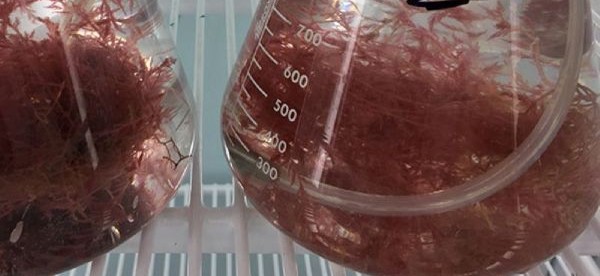
New Zealand's native karengo seaweed could soon rival Mānuka honey as a health-promoting super-food, thanks to new research unlocking its potential as a high-value food and health product.
Cawthron Institute recently received a new tranche of Catalyst: Strategic funding to advance its ground-breaking research into karengo (Porphyra and Pyropia species), native red seaweeds long valued by Māori and now tipped to drive a new era of seaweed farming, food innovation, and regional economic development. The programme is a collaboration among several of New Zealand's leading research institutes as well as the Singapore Institute for Food Biotechnology Innovation.
The new funding builds on previous work supported through the High-Value Nutrition National Science Challenge and a previous Catalyst: Strategic project, which laid the foundation for understanding the nutritional profile of karengo and any health-promoting compounds it contains. The programme also complements a recently awarded Vision Mātauranga Capability Fund project with Te Rūnanga o Kaikōura to collate traditional knowledge and establish community-based ecological monitoring of karengo.
HERA's AGM was held in June and celebrated the achievements of their mahi across the financial year.
They report that the past financial year was one that tested their industry. "The slowdown in construction activity and reduced steel demand presented real challenges across the sector. While the environment was tough, our focus remained on supporting the heavy engineering community with practical solutions, long-term vision, and new opportunities to grow and adapt."
Thanks to a previous levy increase, and the strength of diversified income from training, grants, and consulting, HERA were able to meet objectives and invest in new areas that will shape the future of the industry.
"Our research programmes made strong strides across sustainability, seismic, structural fire, AI for quality systems and construction 4.0. Amongst our many research achievements, we released new national guidance for low-carbon circular design in low-rise buildings and launched tools to support more sustainable steel specification. Our seismic research contributed to updated weld sizing criteria now reflected in the draft NZS 3404:2024. We also advanced infrastructure research through our railway bridge standardisation programme and expanded into automation and robotics via international partnerships."
Dr John McDermott, IRANZ Chair, CE of Motu and former Assistant Governor and Head of Economics, at the Reserve Bank explained in an RNZ interview how the Reserve Bank updates the official cash rate (OCR). The process involves data pooling, deliberation, and forecasting. He emphasized clear communication, especially when “looking through” volatile data like oil prices or GST changes.
“Our immune system has the potential to recognise anything in the universe. Or, for those who like numbers, a couple billion trillion things.” Dr Lisa Connor and her team are investigating ways we can apply cutting-edge RNA technology to target parts of the flu virus that don't change year to year - opening the door for the possibility of a universal flu vaccine - one you won't have to take each time the flu season rolls around.
IRANZ has gone social. For up-to-date information about the activities of our member organisations and notification of updates to the website follow us on the link below.
IRANZ is an association of independent research organisations. Its members undertake scientific research, development or technology transfer. Members include Aqualinc Research Ltd, Bragato Research Institute, BRANZ, Cawthron Institute, DigiLab, Dragonfly Data Science, Estendart Research Ltd, Gillies McIndoe Research Institute, HauHau Research, Heavy Engineering Research Association (HERA), International Global Change Institute (IGCI), Leather & Shoe Research Association (LASRA), Lincoln Agritech Ltd, Mackie Research, Malaghan Institute of Medical Research, Manawatū AgriFood Digital Lab, Medical Research Institute of New Zealand (MRINZ), Mātai Medical Research, M.E Research, Motu Economic and Public Policy Research, National Transport Research Organisation (NTRO), Scarlatti, Takarangi Research Group, Te Tira Whakāmataki, and WSP Research.
Contact: Dr Rob Whitney, Executive Officer, mobile: +64 27 2921050, email: information@iranz.org.nz