|
|
|
|
|
|
|
|
At a recent meeting, IRANZ engaged with multiple agencies across the science and government sector to initiate a cultural shift across Aotearoa New Zealand - one that elevates the societal value placed on science and addresses public mistrust, education gaps, and the rise of anti-science sentiment. By focusing on reform in the education sector, impactful storytelling, and broader public engagement, the discussed initiatives, if enacted, have real potential to improve how science is perceived, understood, and trusted.
This conversation echoes the message delivered by Sir Peter Gluckman in this month's Cawthron Annual Lecture (see below). Speaking on "how science serves society", Sir Peter noted that while New Zealand has long prided itself on ingenuity, we are falling behind as other nations increase their investment in science and innovation to meet global challenges.
New Zealand currently invests around 1.4% of GDP in research and development, well below the OECD average of approximately 2.7%, highlighting the need for greater commitment if we are to keep pace with other innovation-driven economies. Sir Peter continues that for science to have impact, it must be better integrated into policy, more transparent, and more closely connected to the communities it serves.
History tells us that when science and technology advance, societies flourish. Vaccines and medicines have saved billions of lives. Mechanisation and innovation have lifted entire populations out of backbreaking labour and starvation. Science continues to be a cornerstone of our collective wellbeing and economic resilience.
A powerful example of this is BRANZ's new world-leading fire testing laboratory, officially opened this month by the Minister of Science, Innovation and Technology, Hon Dr Shane Reti. As one of the first staff at the BRANZ Judgeford site - and present when the first fire lab was launched - I'm proud to see how far the organisation has come. This new facility provides some of the most advanced fire testing capabilities in the Southern Hemisphere. It's a critical step in improving building safety, enabling innovation, and supporting regulatory confidence across Aotearoa and beyond.
This is science serving society - at scale, and with purpose.
Ngā mihi nui
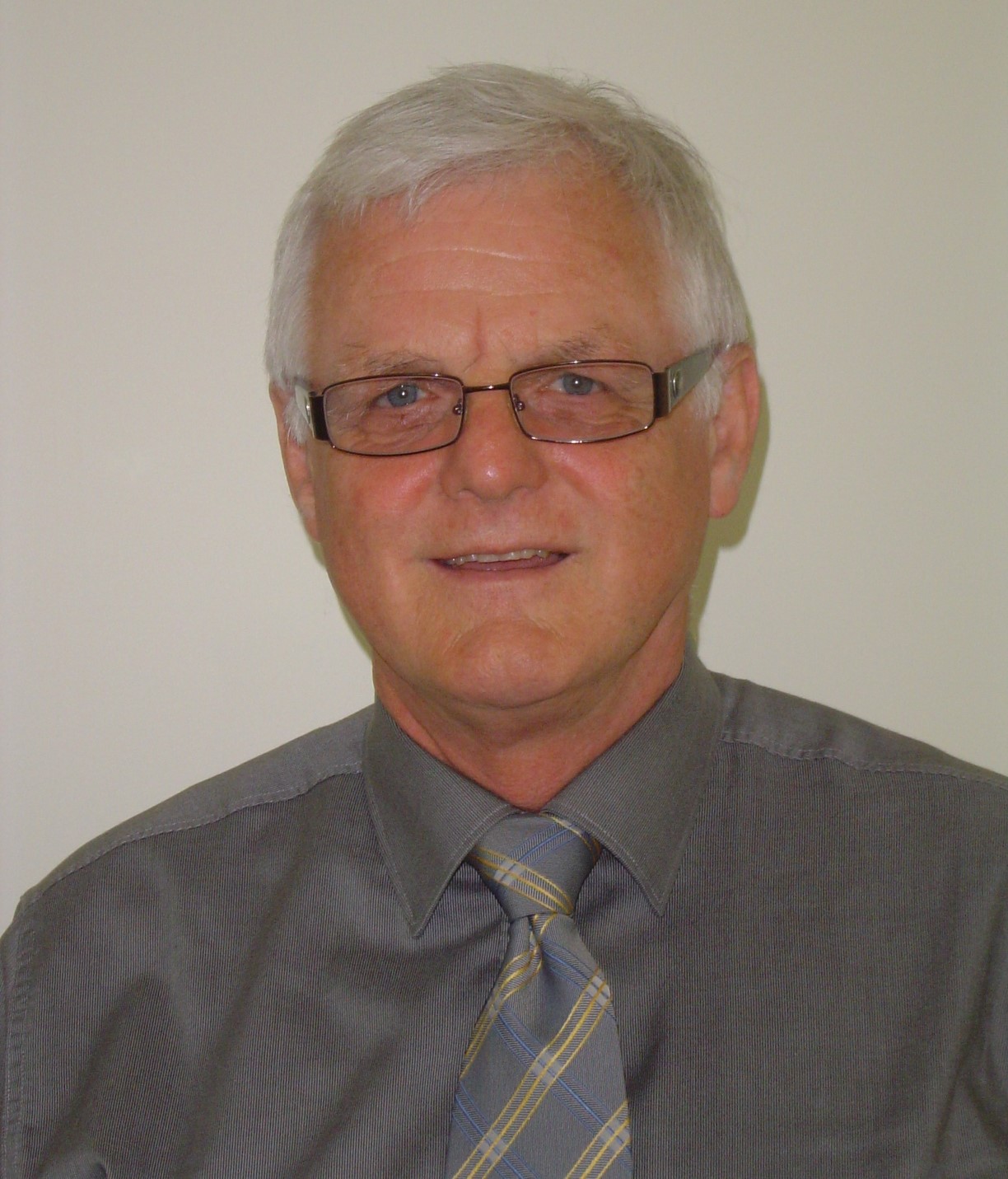
Dr Rob Whitney
IRANZ Executive Officer
|
|
|
|
|
|
|
- ClimSystems' Dr Peter Urich outlines path to climate resilience through data and GIS
- Mackie Research: Human Factors in the Land Transport System Short Course
- Mātai Summer Internship Programme now open for applications
- Malaghan visiting researcher: Associate Professor Timothy Hand
- Cawthron: Stories, not just statistics, will save environment
- Lincoln Agritech: Annual Review 2024 highlights innovators
- Malaghan: Brain and immunity
- Motu Research: Cost-benefit behind $10b Northland highway called into question
- Cawthron & iwi partners secure support for seaweed research
- Lincoln Agritech: Scientists selected for expert panel
- Lincoln Agritech: Researchers & iwi gather for project
- ...and much more.
Follow the link for more details on the June 2025 news briefs from our Independent Research Organisations.
MORE →
|
|
|
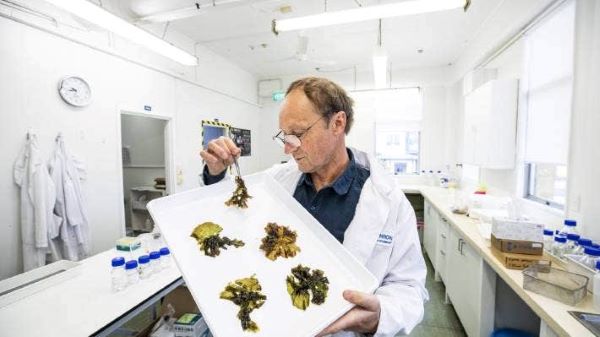 |
| Dr Tom Wheeler with seaweed samples in Cawthron Institute's Whakatū Nelson laboratories. Photo: Cawthron Institute. |
|
|
|
|
|
The Cawthron Institute hosted the 82nd Annual Thomas Cawthron Memorial Lecture on Monday 9 June in Nelson, featuring the internationally renowned New Zealand science leader Sir Peter Gluckman as keynote speaker.
At a time when the world faces a range of global challenges — from climate change and geopolitical tensions to rapid technological disruption — the need for science that truly serves society has never been more urgent.
New Zealand has long celebrated ingenuity, but is relying on outdated ideas and underfunded science. Other countries are investing in science and innovation to solve pressing problems, while New Zealand risks falling further behind if no action is taken.
Globally, the science community faces its own set of challenges. Science diplomacy must evolve. To rebuild trust and make a real impact, science needs to be more transparent, more connected to society, and better integrated into the decisions that shapes a collective future.
Sir Peter, President of the International Science Council, shared his vision for how science can be a trusted partner in building a healthier, more sustainable, and more equitable world.
READ MORE →
|

| Sir Peter Gluckman gave the 2025 Thomas Cawthron Memorial Lecture at Cawthron in Nelson on 9 June. |
|
|
|
|
|
|
The 2023 Loafers Lodge fire in Wellington, which claimed five lives, underscored the urgent need for better fire safety in New Zealand's increasingly dense and complex housing landscape.
Now, BRANZ has officially opened a world-leading fire testing laboratory at its Porirua campus - delivering a major step forward for fire resilience and building safety. Launched on 17 June by Minister of Science, Innovation and Technology Hon Dr Shane Reti, the new facility offers some of the most advanced fire testing capabilities in the Southern Hemisphere.
At a time of rising fire risk, driven by hotter, drier conditions and a shift to denser housing and new construction technologies such as mass timber and offsite modular builds, the lab enables full-scale testing of fire performance in buildings up to three storeys - and simulates fire spread in much taller structures. It provides climate-controlled testing, large furnaces, and systems to test everything from façades to fully built tiny homes.
BRANZ Chair Nigel Smith said the lab strengthens both public safety and industry capability, while Chief Executive Claire Falck emphasised the role of science in the building sector. "The fire lab enables us to deliver new science and insights to help prevent fire tragedies, support innovation, and provide the confidence that buildings will perform when faced with a fire emergency.”
MORE →
|
|
|
 |
| Minister Dr Shane Reti, left, is given an overview of the fire lab complex. Photo: BRANZ. |
|
|
|
|
|
Thousands of people have had their say on the state of public and commercial bathrooms, with results from WSP and the Building Research Association of New Zealand's (BRANZ) 'loo review' now in - and the findings offer strong evidence for change.
More than 3,000 people took part in the survey, part of a WSP study commissioned by BRANZ that also included a literature review and targeted stakeholder consultation. The aim was to assess whether bathrooms in public and commercial buildings - such as libraries, sports centres, museums and eateries - are meeting people's needs.
And, for many, they're not.
One in five respondents said public bathrooms don't meet their needs, a figure that jumps to nearly half for those with a disability.
WSP team leader for human factors and social sciences Leoni McKelvey says the feedback paints a clear picture of what's working - and what isn't.
MORE →
|
|
|
 |
| Obviously a topic that has piqued the public's attention - thousands took part in the 'loo review'. Photo: WSP. |
|
|
|
|
|

|
Kōtukutuku flower. Photo: Te Tira Whakamātaki. |
|
In this article about Te Tira Whakamātaki's role in seed banking, M. Bissett writes about Aotearoa New Zealand's struggling seed-banking initiatives, and the importance of a seed conservation strategy.
"Did you know the rarest plant in the world is right here in Aotearoa? There's only one kaikōmako manawatāwhi left in the wild and it's on Manawatāwhi Island. Of course, that's not a Guiness World Record to be proud of. Aotearoa has over 2,500 plants and more than 80% are endemic. But due to deforestation, agriculture, human activity, and the taking of seeds and plants to put in gardens, more than 15% of our plants are threatened and 30% more are at risk. That's a massive problem.
"One way to save these taonga is through seed banking. Seed banking is a process of safeguarding plants in the event of a catastrophe or disease that could threaten the plants, and seed banks are the purpose-built storage facilities that house those seeds, keeping them safe and ready to germinate in case the plant dies out in the wild, or there is a need to improve genetic diversity in a population because of disease or a catastrophe including climate change."
MORE →
|
|
|
|
|
|
Lincoln Agritech researchers have developed a method that reveals how much ephemeral rivers recharge regional aquifers, using satellite imagery. And they can extrapolate back in time to reveal historical recharge rates from historical flow data.
Ephemeral rivers regularly, and naturally, dry up over part of their course for part of the year. They are a particularly important source of groundwater recharge in regions where water is scarce - something that could possibly increase with climate change. The research studied the Selwyn/Waikirikiri and Orari rivers in Canterbury.
Researchers Antoinne Di Ciacca, Lucille Knight, Maxime Brand, Patrick Durney, Scott Wilson and Thomas Wöhling, collated hourly average flow rates in the two rivers from data collected between 2010 and 2023.
Using satellite imagery, they showed precisely where the rivers dried up (the drying front) under different flow conditions. By comparing the drying front location and the flow data they were able to derive a formula that accurately reflects the amount of groundwater recharge.
Using that information, they then trained statistical models to predict total groundwater recharge between 1983 and 2023. They could not detect any noticeable influence of climate change, but the driest years did correlate with El Niño weather patterns.
MORE →
|
|
|
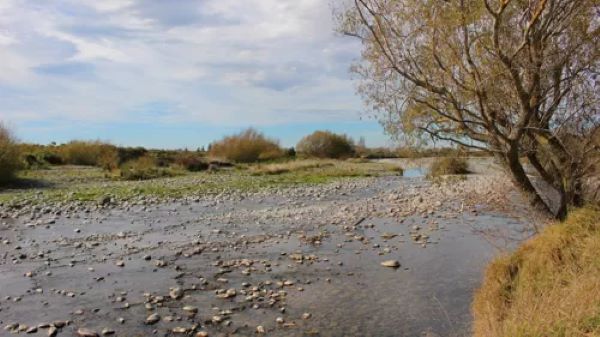 |
| Selwyn River/Waikirikiri, Canterbury. Photo: Lincoln Agritech. |
|
|
|
|
|
In the May issue of Canterbury Farming newspaper, Andrew Dark reviews the 2024/2025 irrigation season. The article is also reproduced on Aqualinc's website.
"In Canterbury we've been fortunate to have been spared from the drought conditions that have been experienced over the 2024/25 summer in the top of the South Island and parts of the North Island, although parts of North Canterbury have been very dry at times.
"The 2024/25 irrigation season started off looking like we may have been heading into a drought, with November standing out as having above-average temperatures and rainfall well below average. This changed around Christmas/ New Year (as anyone who tried to have a summer holiday in Canterbury will know) with a period of above-average rainfall. February was dry but near average temperatures meant that evapotranspiration wasn't excessively high, March/ April have been back to above-average rainfall.
"On the supply side of the equation, we headed into summer with groundwater levels below average in many parts of Canterbury, which resulted in constrained supplies for some water users with resource consent conditions linked to groundwater levels..."
MORE →
|
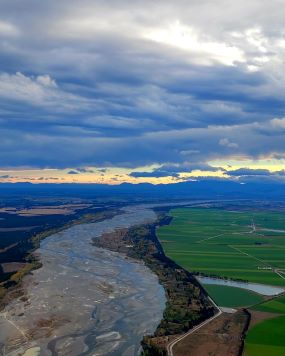
| Canterbury braided river system. Photo: Aqualinc Research. |
|
|
|
|
|
|
Scarlatti Research Manager Phoebe Gill writes about the use of AI in Education in an ongoing blog series. In this article she interviews Ingenum co-founder Tom Brownlie about their development of WorkMate - an AI tool for veterinarians.
Tom's career spans education and veterinary practice - from lecturing at Massey University to managing rural services at LIC and working as a practising vet. Now, he's helping frontline vets harness AI through WorkMate - an intelligent assistant designed to reduce admin, improve clinical decisions, and track disease outbreaks.
Vets simply speak or type a consultation summary, and WorkMate connects to clinical literature and anonymised case data to generate a clinical summary, treatment plan, invoice, and care instructions. It supports fast-paced work and neurodiverse users, including those with dyslexia.
“WorkMate is designed for veterinarians. At first glance, those in VET (Vocational Education and Training) may wonder, why should an AI tool for veterinarians matter to us? We argue this is because WorkMate is an ideal case to learn from - it shares many technical similarities to an AI agent for oral assessment, plus it is a unique example of a mature AI product built in New Zealand."
MORE →
|
|
|
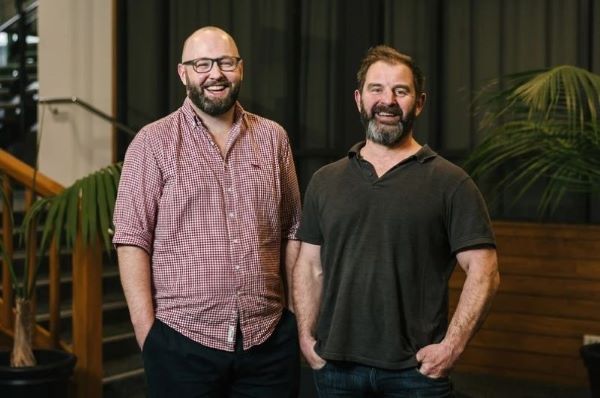 |
| Tom Brownlie (right) and Christopher Liang, co-founders of Ingenum, a veterinary data science company creating an innovative AI model focused on animal disease detection. Photo: Scarlatti. |
|
|
|
|
|
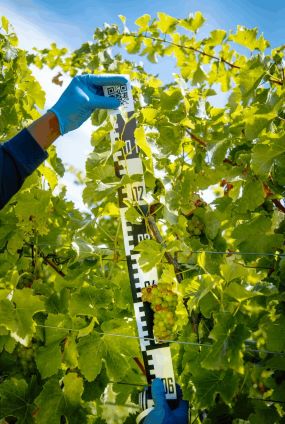
| Moderate vigour shoot on a 6VCane vine. Photo: Bragato Research Institute. |
|
The main goal in vineyard management is to grow high-quality grapes that make great wine - and to do so in a way that makes financial sense. With production costs rising, grape growers are under pressure to find new and more efficient ways to manage their vineyards. But cost savings cannot come at the expense of wine quality.
Bragato Research Institute (BRI), the research arm of New Zealand Winegrowers, explored alternative winegrowing systems through the pilot phase of its Next Generation Viticulture (NGV) programme.
Researchers Dr Paul Epee, Ngarita Warden, and Dr Fang Gou report on the results of winemaking and sensory trials.
Six alternative vine training systems were trialled on five grape varieties across three Marlborough vineyards, aiming to maintain or improve yield while lowering management costs. One standout system, the 6VCane (six vertical canes), consistently performed well.
To ensure wine quality wasn't compromised, grapes were vinified at the BRI Research Winery, where their chemistry and sensory qualities were analysed. The linked article presents the winemaking and wine quality results for Sauvignon Blanc grown at the lower Wairau (Rapaura, Blenheim) trial site.
MORE →
|
|
|
|
|
|
Deckhand, an iPad application that is used by commercial fishers for reporting their catches, will be supported by Dragonfly Data Science from the beginning of July 2025.
Logbooks are as old as seafaring itself. Deckhand updates the tradition for the 21st Century to give fishers a useful electronic logbook for the wheelhouse - it's a platform designed for collecting critical data in harsh ocean environments. The platform not only monitors catch totals in real time, but also includes maintenance log features and keeps track of engine room tasks, as well as being able to send reports and data to regulators or other endpoints as required.
Dragonfly says they are strong believers in the importance and value of quality data for managing fisheries, and are looking forward to working directly with fishers on data collection.
"Current Deckhand customers do not need to do anything at this stage. Fishserve will continue to help you as usual during June 2025, and your queries can be directed to their support team at 04 460 9555."
MORE →
|

| Deckland is an application designed for collecting fishing data in harsh ocean environments where workers are doing mission-critical tasks and often lack basic connectivity. At sea, little time can be spent navigating computer interfaces and learning data collection techniques, so Deckhand is designed to make is easier. Photo: Dragonfly Data Science. |
|
|
|
|
|
|
|
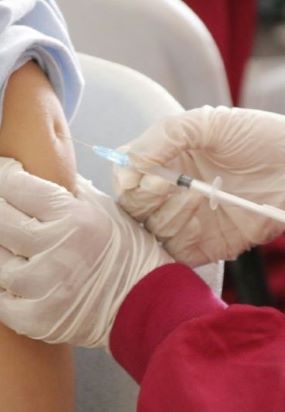
Vaccines are an essential and cost-effective public health intervention playing a pivotal role in safeguarding populations from infectious diseases. Their swift development and deployment against the SARS-CoV-2 virus helped to contain the spread and severity of the COVID-19 pandemic, preventing an estimated 3.2 million additional deaths and 18.5 million additional hospitalisations in the US alone.
So, why do some people delay or refuse vaccines? Motu researcher Amelia Blamey and co-author Ilan Noy have uncovered a compelling link between trust and COVID-19 vaccination decisions.
Drawing on a dataset of over 22,000 New Zealanders from the 2014-2018 General Social Surveys, the researchers link people's reported trust in seven areas including Parliament, police, health, education, media, and the general public, to their later COVID-19 vaccination behaviour.
The findings are clear: higher trust correlates with lower vaccine hesitancy. People who trust more - especially the police - tend to get vaccinated faster and are less likely to refuse a vaccine. The link is weaker for trust in media, but remains significant across all domains.
By understanding how trust affects vaccine choices, New Zealand can build more effective public health campaigns and respond better to future pandemics.
MORE →
|
|
|
|
|
|
Around 100 men in Gisborne-Tairawhiti have benefited so far from funding, from philanthropic contributions and from the Perpetual Guardian Foundation's Medical Research Fund, that supports an advanced approach to prostate cancer diagnosis.
Prostate cancer is the most commonly diagnosed cancer in New Zealand, and there are significant disparities in terms of diagnosis, treatment and outcomes. The funding pathway has so far enabled more accurate scans of the 100 men in this district and is part of a joint funding effort that is helping to pave the way to potentially save thousands of lives.
The ongoing project at the non-profit Mātai Medical Research Institute in Gisborne-Tairāwhiti uses advanced MRI techniques to improve how prostate cancer is diagnosed.
“Men living in rural locations face higher mortality rates from prostate cancer and have lower screening rates, less intensive diagnostics, longer wait times, and later diagnoses,” says head of radiology Te Whatu Ora Tairawhiti and Matai clinical lead Dr Daniel Cornfeld.
MORE →
|
|
|
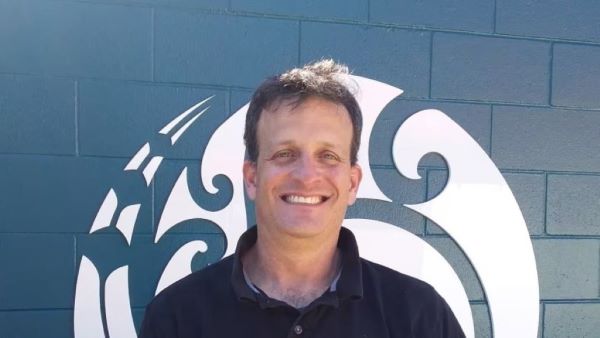 |
| Dr Daniel Cornfeld. Photo: Mātai Medical Research Institute. |
|
|
|
|
|
New research from the Malaghan Institute has offered insight into how allergic responses are sustained in the skin, identifying key signalling pathways involved in replenishing allergy-inducing dendritic cells. Disrupting this cycle could offer a new way to interrupt allergic responses and provide relief for people living with allergic diseases.
Dendritic cells are an essential component of the immune system. These 'sentinels' patrol the body, constantly sampling the environment for signs of infection or damage. When they detect pathogens, such as a bacteria or viral particle, they engulf them, travelling to the nearest lymph node to present their findings to T-cells, which then launch an appropriate immune response.
However dendritic cells can also present harmless things like pollen, peanuts, or soy to the immune system as if they are as harmful as a virus, kicking of an allergic response - a process that typically first develops in early childhood and can continue throughout the lifetime.
“Previous research in the Ronchese lab found that there is a steady population of allergy-inducing dendritic cells in the skin. The development of these cells is supported by a chemical signalling molecule called IL-13,” says Senior Research Fellow Dr Sotaro Ochiai.
MORE →
|
|
|
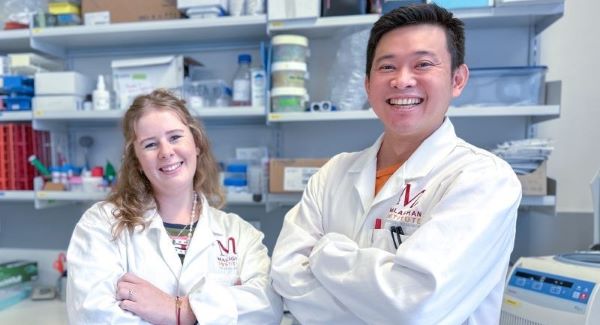 |
| Ronchese Laboratory team members Abbie Larson and Dr Sotaro Ochiai. Photo: Malaghan Institute of Medical Research. |
|
|
|
|
|
Gillies McIndoe PhD student Freya Weth's research into drug repurposing for cancer treatment has gained national media attention, featuring in The Listener article “Old drugs, new tricks”. Her review, published in the British Journal of Cancer, explores how combining existing medications, originally developed for other conditions, could offer new strategies for tackling cancer's complexity.
Traditional cancer treatments often fail due to the disease's ability to adapt and resist therapy. Freya's work shows how low-toxicity, well-known drugs can be combined in precise ways to create synergistic effects - enhancing efficacy, reducing side effects, and improving accessibility. “Testing in the lab with advanced patient-derived models to discover synergy allows for lower doses, less toxicity, and better outcomes; this approach can improve clinical trial success rates,” she says.
The research identifies key barriers to drug repurposing, including regulatory and commercial challenges, while highlighting the potential to accelerate clinical trial success and make treatments more accessible.
The Listener article also spotlighted Gillies McIndoe's Dr Swee Tan, who is leading a phase II clinical trial using repurposed drugs to treat glioblastoma - one of the deadliest brain tumours. Nineteen patients from across New Zealand have enrolled so far.
MORE →
|

| PhD student Freya Weth. Photo: Gillies McIndoe Research Institute. |
|
|
|
|
|
|
Te Tira Whakamātaki, in partnership with Ahikaea, has received support through the 2025 Te Pūnaha Hihiko: Vision Mātauranga Capability Fund (VMCF) to establish a National Māori Disaster Practitioners Network known as Hono.
The project - Community-based emergency management: Mobilising disaster science for effective Māori response and recovery - responds to the increasing impacts of climate-related disasters on Māori communities and the need for culturally grounded, community-led responses.
Cyclone Gabrielle and other recent disasters exposed gaps in Aotearoa New Zealand's emergency management system. While Māori communities were quick to respond, their knowledge, leadership, and capability are often excluded from official systems. This project addresses that gap, creating space for Māori to lead, and integrating disaster sciences to build a more inclusive and effective emergency management approach.
Led by Melanie Mark-Shadbolt (Ngāti Kahungunu, Ngāti Porou, Te Ātiawa) and Hinemoa Kātene (Ngāti Toa Rangatira), the initiative will develop a culturally grounded disaster framework through deep engagement with iwi, hapū, and marae. It will be piloted in Te Whanganui-a-Tara, in collaboration with mana whenua, a region critical to the country's national response system.
MORE →
|
|
|
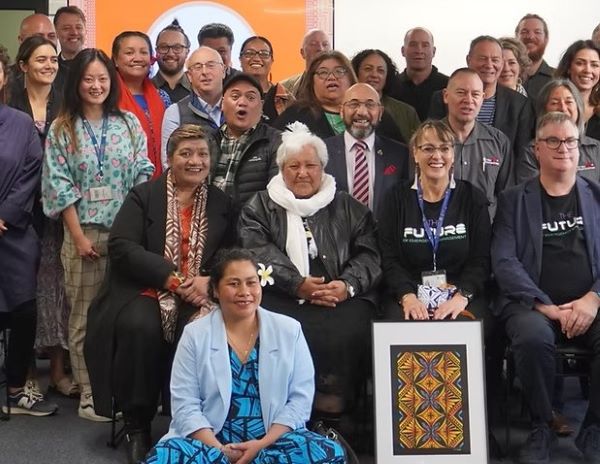 |
| Hono is Aotearoa NZ's first Māori-led emergency management network, created to support whānau, hapū, and iwi to prepare for, respond to, and recover from disasters and emergencies. Photo: Te Tira Whakamātaki. |
|
|
|
|
|
House prices are becoming more affordable, with section prices down 15% ($35,000) from their mid-2022 peak. However, the high cost of building continues to make new builds inaccessible for many, according to the latest data from the Building Research Association of New Zealand (BRANZ).
These findings have been drawn from BRANZ's new data tool BRANZ Build Insights - the first of its kind to bring together reliable economic insights from across the building sector.
The latest quarterly data (January-March 2025) reveals that the average price for a section and new standalone house is down 4.1% to $1,018,000 - $43,000 less than the previous quarter (October-December 2024).
However, this remains substantially more expensive (+$201,000) than buying an existing home.
A driving factor for this is that house build prices have continued to increase in recent years and at nearly twice the rate of inflation. Latest estimates show that building a basic 200m2 home, which would have cost just over $650,000 in mid-2022, will now cost $777,000. This is nearly a 20% increase over a time when general inflation rose 12%.
MORE →
|
|
|
 |
| BRANZ Build Insights is a new tool to track building system data. Image: BRANZ. |
|
|
|
|
|
Minimum wages and fairer pay: What changed in New Zealand since 2000?
How much can raising the minimum wage reduce inequality? In this paper, Motu researchers Dean Hyslop, Dave Maré, and Lily Stelling explore how sharp increases to New Zealand's minimum wage - more than 75% in real terms for adults and over 200% for teenagers - have shaped the wage landscape since 2000.
Wages rose across the board, but the biggest gains were for the lowest-paid workers. Wages at the 5th percentile grew by up to 66%, while those in the top half of the wage distribution grew steadily by around 30%. This resulted in substantial compression of the wage distribution - the difference between middle and low earners (10th percentile) shrank by 28%, and overall wage inequality (measured by the standard deviation) dropped by 16%.
Using a well-established method to disentangle the drivers of this shift, the researchers found minimum wage increases account for most of the reduction in inequality - about 90% of the compression in the lower tail, and 70% of the overall drop in wage dispersion. Shifts in workforce characteristics and how the labour market rewards them had smaller effects. Some patterns remain unexplained - particularly the growing number of workers earning between the minimum wage and the median wage.
MORE →
|
|
|
 |
| Photo: Planet Volumes, Unsplash. |
|
|
|
|
|
Leading scientists, public health officials, and marine researchers from across the Pacific gathered in Nelson in late May for the International Symposium on Ciguatera Poisoning, hosted by Cawthron Institute and funded by the French Embassy in New Zealand via a Fonds Pacifique project with partners from the Institut Louis Malardé from Tahiti.
Running from 19-22 May 2025, the symposium brought together representatives from more than a dozen countries and territories, including New Zealand, French Polynesia, New Caledonia, Fiji, Tonga, Kiribati, Wallis and Futuna, Vanuatu, the Cook Islands, Australia and Japan. The event was focused on deepening global understanding of Ciguatera Poisoning (CP) - a foodborne illness caused by eating reef fish and other organisms contaminated with ciguatoxins - and advancing coordinated strategies to monitor, predict, and mitigate its impacts.
“Ciguatera is a growing threat to food security, livelihoods, and public health in Pacific communities, particularly as ocean temperatures rise and harmful algal blooms become more widespread,” says Dr Kirsty Smith, Manager of Molecular and Algal Ecology at Cawthron.
MORE →
|
|
|
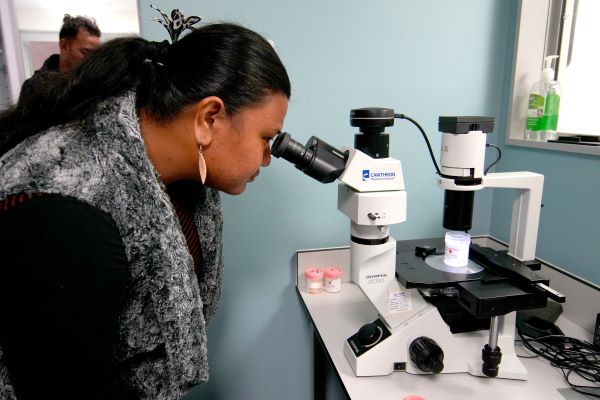 |
| Taarai Abere, Ministry of Fisheries & Marine Resources Development, Kiribati. Photo: Cawthron Institute. |
|
|
|
|
|
Getting older. Everyone does it, some more reluctantly than others. Yet despite it being an intrinsic part of the human experience, when it comes to understanding how age affects the body's ability to fight disease, very little attention has been paid. Dr Michelle Linterman hopes to change that.
“Age is the biggest risk factor for any disease,” says Michelle from her office at the Malaghan where she's the institute's newest laboratory head. Having recently returned to New Zealand from the Babraham Institute in Cambridge, UK, she's one of the relatively small number of scientists around the world actively looking into the ageing immune system and how to improve the way it responds to vaccination.
“It doesn't matter what other complications you may have, when it comes to health the impact of ageing trumps everything. Almost everything has an intersection with age and, in research, for the most part, it gets ignored.”
It's now well understood that the diversity between people plays an important role in clinical outcomes. Because differences in things like sex and ethnicity exist, treatments and drugs need to take account these subtle biological, chemical, and physical differences to make effective therapies and cures.
MORE →
|
|
|
 |
| Dr Michelle Linterman. Photo: Malaghan Institute of Medical Research. |
|
|
|
|
|
New Zealand's horticultural sector, particularly its globally significant apple industry, faces ongoing challenges in maintaining fruit health and quality. Addressing these concerns often requires new approaches and strategic partnerships, such as those that Lincoln Agritech has formed within the STELLA project.
STELLA research uses advanced digital technologies to develop and implement enhanced plant health management, including early disease detection, comprehensive territory surveillance, and effective phytosanitary measures. When preparing the project proposal, STELLA contacted New Zealand colleagues who also work in this digital area. As a result, the project now includes apple production, creating a win-win situation for the European project consortium and New Zealand's horticultural research and development efforts.
For Lincoln Agritech's researchers, the project has established a valuable collaboration with international researchers at leading European universities and research organisations.
MORE →
|
|
|
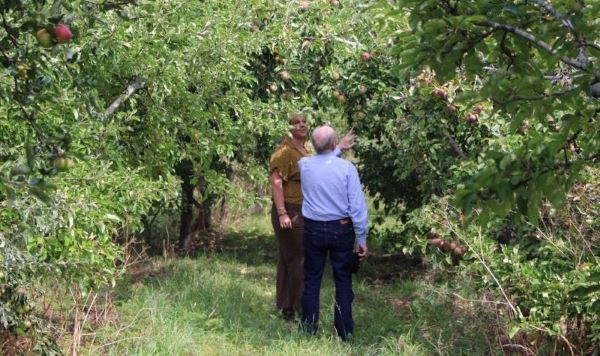 |
| Article author and Lincoln Agritech Principal Science Advisor Dr Armin Werner investigates an apple orchard. Photo: Lincoln Agritech. |
|
|
|
|
|
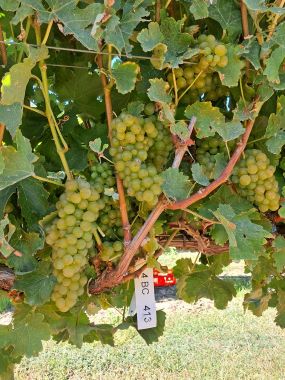
| Sauvignon Blanc grapes from the long-spur pruning trial, 2025 season. Photo: Bragato Research Institute. |
|
In vineyards, the pursuit of more efficient growing systems is ongoing, often driven by advancements in machinery and the emergence of innovative technologies. However, long-term improvements typically require substantial upfront investment, and rising costs across all areas of vineyard operations have made implementation increasingly challenging. As a result, growers are placing greater focus on strategies that deliver immediate cost savings, to maintain profitability.
Winter pruning alone accounts for approximately 35% of total vineyard expenditure, so small improvements in this area can significantly impact financial outcomes. Since 2021, Bragato Research Institute (BRI) has been monitoring a two-cordon long-spur pruning trial on Marlborough Sauvignon Blanc, comparing it to the traditional four-cane VSP system in terms of vine performance, wine quality, and overall viability.
In the 2025 season, like many vineyards across the Marlborough region, two trial sites delivered outstanding yields in all treatments, approximately 50% higher than the average of previous years. This exceptional yield was driven by increases in bunch numbers, bunch weight, berry numbers and berry mass.
MORE →
|
|
|
|
|
|
Demand for a specialised thermal test is growing at WSP's research laboratory in Wellington, with technicians crunching the numbers on how soil, sand, gravel, concrete and other construction materials resist heat flow.
Known as the thermal resistivity test, it's linked to underground high voltage electrical cabling explains WSP team leader for testing services Zac Francis.
The test is recommended anywhere high voltage cables are placed underground - especially in areas with pumice and other volcanic materials, which transfer heat more easily.
Zac says understanding the thermal behaviour of ground conditions can help prevent short circuits, service disruptions, and even energy blackouts.
With dozens of infrastructure projects lined up for fast-track consenting, demand for the test is growing, with most demand coming from wind and solar farms, as well as electrical sub-station projects.
“It's busy and getting busier. Thermal resistivity tests now account for about fifty percent of our Wellington lab's soil-related work.”
MORE →
|
|
|
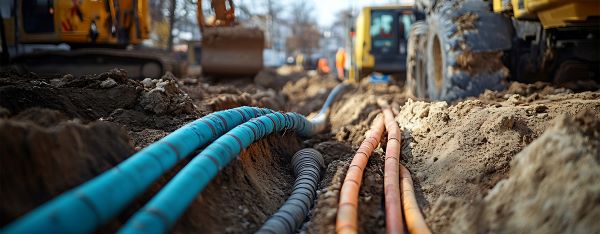 |
| High voltage cables being placed underground. Photo: WSP. |
|
|
|
|
|
Scarlatti Research Manager Phoebe Gill continues her series about the use of AI in Education. In this article she tackles common misconceptions around AI.
As AI tools become more common in education, misconceptions can shape how learners and educators respond. Scarlatti is working to clarify what AI can and can't do when used for assessment.
One common myth is that AI is either completely unbiased or highly biased. In reality, AI reflects the data it's trained on - including historical biases. Newer models show reduced demographic bias, but regular, context-specific audits remain essential.
Another misconception is that AI is always right (or always wrong). AI's accuracy has improved, but mistakes often come from vague rubrics or missing context. Human educators still play a key role in applying judgement and checking results.
Privacy is also a concern. Many now fear AI tools will misuse data. However, models like Claude and ChatGPT allow users to opt out of data sharing, and Scarlatti's agent is securely connected via API with no user data used in training.
Finally, some believe AI is just a cost-cutting tool. While it can reduce costs, its real potential lies in reimagining assessment - making it more practical, interactive, and aligned with real-world skills.
MORE →
|
|
|
 |
| Image: Scarlatti. |
|
|
|
|
|
|
Check out the IRANZ multimedia page for more.
MORE →
RNZ: The age-old question - cracking the code of waning immunity
Immunologist Dr Michelle Linterman is a Programme Leader at the Malaghan Institute of Medical Research. Along with her team, work is being done to understand how our immune system changes across our lifespan, why vaccines can be less effective in older age, and what can be done to change that.
MORE →
|
|
|
|
|
|
82nd Annual Thomas Cawthron Memorial Lecture 2025
The 82nd Annual Thomas Cawthron Memorial Lecture on Monday 9 June 2025 explored how science can better inform and influence decision-making at both national and global levels — and what must change for that to happen. Keynote speaker Sir Peter Gluckman discussed how science can be a trusted partner in building a healthier, more sustainable, and more equitable world.
|
|
|
|
|
|
|
TTW: What are naturally occurring phages?
Learn more about Naturally Occurring Phages in this short, educational video by Rhiannon James, Te Tira Whakamātaki.
|
|
|
|
|
|
|
|
|
|
|
|
WHO WE ARE
IRANZ is an association of independent research organisations. Its members undertake scientific research, development or technology transfer. Members include Aqualinc Research Ltd, Bragato Research Institute, BRANZ, Cawthron Institute, DigiLab, Dragonfly Data Science, Estendart Research Ltd, Gillies McIndoe Research Institute, HauHau Research, Heavy Engineering Research Association (HERA), International Global Change Institute (IGCI), Leather & Shoe Research Association (LASRA), Lincoln Agritech Ltd, Mackie Research, Malaghan Institute of Medical Research, Manawatū AgriFood Digital Lab, Medical Research Institute of New Zealand (MRINZ), Mātai Medical Research, M.E Research, Motu Economic and Public Policy Research, National Transport Research Organisation (NTRO), Scarlatti, Takarangi Research Group, Te Tira Whakāmataki, and WSP Research.
|
|
Contact: Dr Rob Whitney, Executive Officer, mobile: +64 27 2921050, email: information@iranz.org.nz
|
| Copyright © iranz |
|
|
|
|
|