|
|
|
|
|
|
|
|
IRANZ welcomes Hon Penny Simmonds as the new Minister for Science, Innovation and Technology at a pivotal moment for the sector. The recent report from the Prime Minister's Science, Innovation and Technology Advisory Council signals a shift toward a more mission-led system - one that expects research to translate more directly into measurable benefits for New Zealand.
The proposed four pillars and increased focus on advanced technologies present both opportunity and challenge. For IRANZ members, the practical test will be whether these settings enable applied research to move from capability to real-world outcomes. Independent Research Organisations (IROs) are well placed to contribute, given their deep industry connections and experience in turning research into results.
However, implementation will be decisive and the devil is in the detail. Alongside funding reprioritisation, the proposed National Intellectual Property policy raises significant concerns. While its intent to lift commercialisation is understood, there are substantive practical and legal issues that risk undermining collaborative, industry-facing research. IRANZ is engaging constructively to address these gaps, with the aim of ensuring the policy is workable in practice and does not constrain innovation.
As I write this foreword, MBIE has announced $58.9 million in Endeavour Fund contract extension funding to sustain research capability during the current science system reform process. This welcome investment supports projects spanning climate resilience, bioeconomy, MedTech, and advanced materials, and includes several IRANZ members among the successful recipients. It is encouraging to see continued support for research with strong potential to transform New Zealand's economy, environment and society.
Among the funded projects are initiatives advancing aquaculture resilience, marine biosecurity, advanced biomaterials, digital transformation in construction, and new technologies for manufacturing. These projects reflect the diversity and practical impact of independent research across the sector, and we look forward to profiling this work in more detail in our next Connections eNewsletter.
This edition also highlights why these settings matter. Our recent media release (see below - "Independent research body warns building science capability at risk") on proposed changes to the Building Research Levy underscores the risks of removing long-term, stable funding for critical national capability. Without appropriate safeguards, there is a real danger that essential building science, underpinning safety, resilience, and public confidence, could be eroded.
Encouragingly, we continue to see strong examples of impact across our membership - from Te Tira Whakamātaki's work on community resilience, to Malaghan Institute of Medical Research's advances in cancer therapy, and Cawthron Institute's partnerships supporting taoka species.
As the system evolves, IRANZ remains committed to working constructively with Government and partners to ensure the reset delivers enduring value for Aotearoa New Zealand.
Ngā mihi nui
Dr Rob Whitney
IRANZ Executive Officer
|
|
|
|
|
|
|
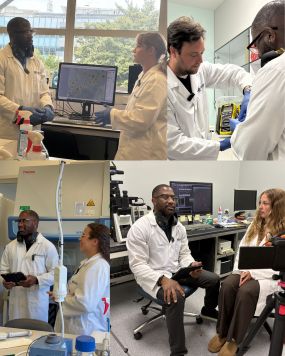
| The Gillies McIndoe Research Institute has announced a new collaboration with Hip Hop Science, led by internationally recognised science communicator and author Maynard Okereke. Photo: Gillies McIndoe. |
|
- A new chapter - the next generation of BRANZ scientists
- Cawthron: Inaugural Ring Science Scholarship recipients announced during Seaweek celebrations
- Lincoln Agritech-led research highlights pressure on Waikato River system
- HERA: Acknowledging Dr Troy Coyle, former Chief Executive Officer
- Global science communicator partners with Gillies McIndoe to broaden research reach
- Malaghan: From clinical trial to clinical tool
- Mātai: New building now two years old
- Motu Research challenges inclusion on register alongside lobbying organisations
- LASRA: Science that stays with the problem
- ...and much more.
Follow the link for more details on the April 2026 news briefs from our Independent Research Organisations.
MORE →
|
|
|
|
|
|
Dr Rob Whitney, Executive Officer of the Independent Research Association of New Zealand (IRANZ), has welcomed a new report from the Prime Minister's Science, Innovation and Technology Advisory Council that recommends shifting more of New Zealand's science funding toward advanced technology and mission-led investment.
Commenting through the Science Media Centre, Dr Whitney said the proposed changes signal a positive step toward strengthening the impact of the science and innovation system, with greater emphasis on applied research, productivity, and long-term economic growth.
He noted that Independent Research Organisations (IROs) will play a central role in delivering these outcomes, given their strong industry links and proven track record in commercialisation. However, Dr Whitney emphasised that careful management of the transition will be critical. Protecting existing capability within IROs while enabling growth in emerging areas will help ensure the reforms succeed.
Dr Whitney said that IRANZ looks forward to working with government and Research Funding New Zealand to support a fair, transparent, and effective implementation of the new system.
MORE →
|
|
|
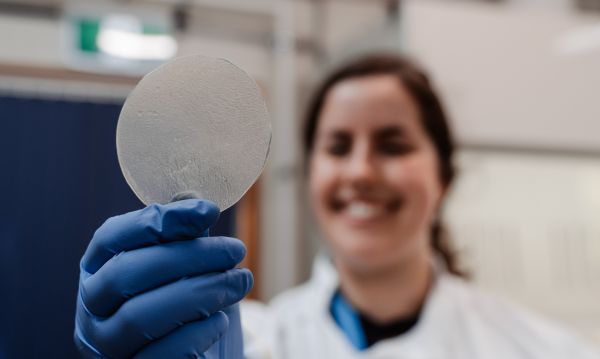 |
| IROs have a proven track record in innovative developments and commercialisation. Here, Lincoln Agritech's New Materials team has recently developed a breakthrough bioplastic that could replace single-use plastics in healthcare. Photo: Lincoln Agritech. |
|
|
|
|
|
Cawthron Institute and Te Rūnaka o Awarua are advancing a new initiative focused on enhancing the resilience of tio, the iconic Bluff oyster, as a taoka (a treasured possession) species.
The 'Tio for Tomorrow' project brings together scientific expertise and kaitiaki leadership to support the restoration of wild tio populations in Te Ara-a-Kiwa, while laying foundations for a complementary hatchery capability that can strengthen long-term sustainability.
Land-based hatchery approaches provide a pathway to support both conservation and commercial outcomes. By improving genetic management, biosecurity procedures and technical capability, the initiative aims to help safeguard wild stocks of tio, building their resilience in the face of environmental pressures and restoring customary fisheries areas.
Cawthron and Awarua Rūnaka will engage with stakeholders to ensure strong whānau backing, robust governance structures and the development of reliable biosecurity approaches. This initiative is supported by Ngāi Tahu Seafood. Early pre-seed investment will enable taoka and intellectual property protection, financial modelling, social license development and technical procedure design.
MORE →
|
|
|
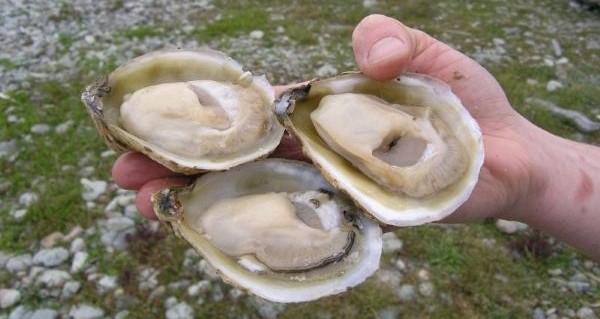 |
| Tio/Bluff Oyster - An iconic New Zealand seafood. Photo: Cawthron Institute. |
|
|
|
|
|
Scientists at Lincoln Agritech are contributing to research helping unlock new, high-value applications for New Zealand's strong wool, as highlighted in Avenues article "Writings on the Wool".
The work builds on years of collaboration through the Wool Research Organisation of New Zealand-led New Uses for Strong Wool programme, supported by Lincoln Agritech alongside growers, industry partners, Ministry of Business, Innovation and Employment (MBIE), and Ministry for Primary Industries (MPI).
One outcome is the development of innovative, biobased wool pigments by Wool Source, creating alternatives to synthetic dyes for uses such as 3D printing and textiles.
Professor Travis Glare, CEO of Lincoln Agritech, says the research highlights how science can help revitalise traditional sectors. "This programme demonstrates how long-term research investment can unlock new, sustainable uses for strong wool, supporting both environmental outcomes and economic value for New Zealand."
MORE →
|
|
|
 |
| Biobased wool pigments by Wool Source. Photo: Lincoln Agritech. |
|
|
|
|
|
The Leather and Shoe Research Association (LASRA) is highlighting a shift in leather processing following insights shared at the International Leather Maker (ILM) Great Leather Reset conference.
Speaking at the event in March, Geoff Holmes, Director of LASRA, outlined the industry's move away from traditional recipe-based methods toward the use of “Digital Twin” technologies. These systems provide real-time insight into what is happening inside the tanning drum — a complex, dynamic environment where critical changes occur during processing, not just at the end.
Geoff noted that effective leather production depends on understanding how variables such as temperature, pH, concentration and mechanical action interact. These factors influence reaction rates, chemical transport and fibre structure, ultimately determining whether treatments occur as intended.
Digital Twin approaches allow technicians to monitor and respond to these interactions as they happen, improving control and consistency.
Geoff says this shift marks a move from simply observing outcomes to actively designing them, strengthening industry capability and performance.
MORE →
|
|
|
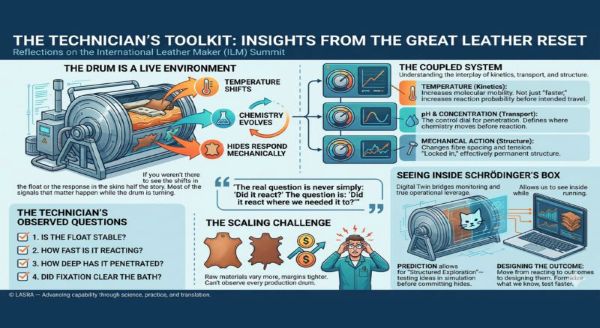 |
| Image: LASRA. |
|
|
|
|
|
New Motu research suggests wealthy countries are unlikely to increase climate finance for developing economies unless the way the issue is framed shifts away from appeals to altruism alone. The Motu Working Paper, developed with European University Institute and University of Zürich, finds that public support in advanced economies is more likely when international climate funding is linked to national interests as well as global benefit.
Motu Policy Fellow Catherine Leining says helping fund mitigation in emerging and developing economies is "in wealthy countries' own strategic interest", not only a matter of equity or climate responsibility.
The research identifies several framing approaches that could strengthen support, including shared climate risk, trade and clean technology opportunities, global stability and security, and the role of carbon markets in managing domestic emissions targets.
Despite this, current investment patterns remain highly uneven: developing economies hold around 75% of the lowest-cost emissions reduction opportunities to 2030, yet receive less than 20% of global clean energy investment. Without change, global warming is projected to reach around 2.8°C by 2100.
The study concludes that reshaping narratives will be critical to enabling the scale of international cooperation needed to meet global climate goals.
MORE →
|

| Motu Policy Fellow Catherine Leining. Photo: Ebony Lamb/Motu. |
|
|
|
|
|
|
Although a worst-case scenario might not have played out, Hamilton-based ClimSystems is urging New Zealanders to take wind warnings seriously, following recent alerts from MetService for severe conditions associated with Ex-Tropical Cyclone Vaianu.
The reminder draws on impacts from Ex-Tropical Cyclone Dovi, which cost Hamilton City Council more than $1 million. The event generated over 700 call-outs and 1,500 service requests, largely due to tree damage, infrastructure failure, and widespread disruption. Nationally, more than 50,000 people experienced power outages.
"Wind events are often underestimated compared to rainfall events, because the damage is less visible than widespread flooding," says Dr Peter Urich, Managing Director of ClimSystems. "Our report on the 2022 Cyclone Dovi event showed that wind events associated with ex-tropical cyclones can have serious social and economic consequences to communities across New Zealand, even in landlocked places like Hamilton. Here, it was the cumulative cost of operational call-outs, power outages, transport disruptions, and structural failures that added up to the $1 million bill, not to mention the social and psychological impact on people affected."
If damaging gusts are forecast across parts of the country, ClimSystems warns that preparedness and attention to official advice remain critical.
MORE →
|
|
|
 |
| Image: earth.nullschool.net | Wind | 10 April 2026 15:00 (via ClimSystems) |
|
|
|
|
|
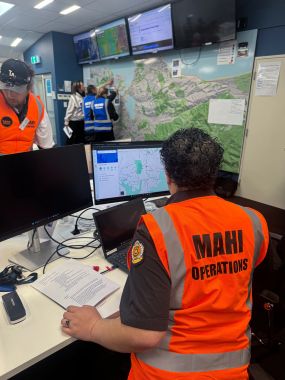
| Hono: The Māori Emergency Management Network undertakes a training exercise. Photo: Tash Wanoa, Te Tira Whakamātaki. |
|
Te Tira Whakamātaki (TTW) has secured a Rangapū Rangahau Whakahihiko grant through the 2026 funding round of the He Ara Whakahihiko Capability Fund, administered by the Ministry of Business, Innovation and Employment (MBIE). Of 103 proposals, 17 were selected to strengthen connections between Māori organisations and the science, innovation and technology system (SI&T).
TTW will partner with Massey University's Joint Centre for Disaster Research to further develop Te Hononga, a digital platform designed to improve how isolated communities prepare for and respond to emergencies. The project will combine mātauranga Māori with scientific data to better predict hazard impacts, guide the placement of emergency supplies, and enable faster, community-led response.
Local "kaitiaki data leads" will document conditions and needs following disasters, while the platform will also support coordination of resources across marae.
Melanie Mark-Shadbolt, Tumu Whakarae (Chief Executive Officer) for TTW, says the project "brings together generations of environmental knowledge with modern science to create practical tools that strengthen community resilience and support faster, more effective emergency responses."
MORE →
|
|
|
|
|
|
Are we facing another very dry period for the summer of 2026/27 due to a change from La Niña to El Niño? Aqualinc's Principal Data Hydrologist Jan Diettrich explores the possiblities.
"El Niño and La Niña represent the two extremes of the El Niño-Southern Oscillation (ENSO), a naturally occurring fluctuation in Pacific Ocean Sea-surface temperatures that typically operates on a three-to-seven-year cycle. ENSO exerts a strong influence on New Zealand's large-scale weather patterns and seasonal water availability. While drought can occur under both ENSO phases, the past few summers in Canterbury have generally been wetter than average, reducing pressure on water users and allowing some recovery of river flows and groundwater levels."
However, the latest ECMWF seasonal forecast system indicates a heightened likelihood that El Niño conditions will develop during 2026 and persist into the 2026/27 summer, although there remains uncertainty regarding the eventual strength of the event due to the spring predictability barrier. "Current model guidance shows a transition from ENSO-neutral conditions to El Niño during the second half of 2026, with El Niño the most likely ENSO state through summer 2026/27. An intensifying El Niño, combined with rising temperatures driven by climate change, is expected to significantly increase the risk of very dry conditions."
MORE →
|
|
|
 |
| Photo: Aqualinc Research. |
|
|
|
|
|
Experts from Lincoln Agritech are calling for more sustained, science-led approaches to address worsening groundwater pollution in New Zealand.
Providing commentary through the Science Media Centre, Dr Roland Stenger and Dr Helen Rutter outlined the complexity and long-term nature of freshwater challenges.
Dr Stenger emphasised that groundwater systems are highly variable and closely interconnected with surface water, noting that shallow groundwater often plays a significant role in river flows and nutrient inputs. He highlighted the need for integrated monitoring and modelling approaches, including the use of emerging technologies such as real-time sensors.
Dr Rutter added that while groundwater is often “out of sight, out of mind”, it presents growing risks, particularly in low-lying and coastal areas. She stressed that understanding contaminant movement requires more targeted, high-resolution monitoring, alongside improved modelling.
Together, their insights reinforce the importance of long-term investment in data, tools, and collaboration to support effective freshwater management.
MORE →
|
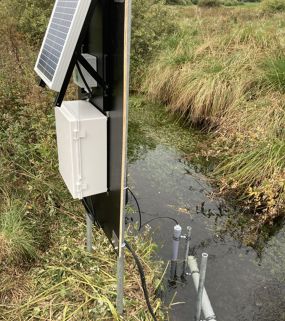
| Continuous water quality monitoring equipment set up in a small stream in Waikato. Photo: Lincoln Agritech. |
|
|
|
|
|
|
The Independent Research Association of New Zealand (IRANZ) is warning that proposed changes to the Building Research Levy could unintentionally weaken the scientific capability that underpins the safety and resilience of New Zealand homes and buildings.
The Government is reviewing the building and construction system, including a proposal to repeal the dedicated Building Research Levy and move building-related research into a fully contestable funding model. While reform is timely, IRANZ says removing the Levy without clear safeguards risks destabilising the long-term, independent research that keeps the system functioning.
"Contestable funding can deliver good short term outcomes," says IRANZ Chair Dr John McDermott, "but it cannot sustain the national building science capability that BRANZ has built over decades. Specialist laboratories, national testing facilities, long term datasets and expert teams require continuity and sustained investment over many years. If funding becomes short-term and uncertain, that capability can quietly erode."
For nearly 60 years, the Levy has helped sustain independent building science through the work of BRANZ. This includes seismic and fire research, moisture and durability testing, product assurance work, and tools used by councils, engineers, and builders to make safe decisions.
MORE →
|
|
|
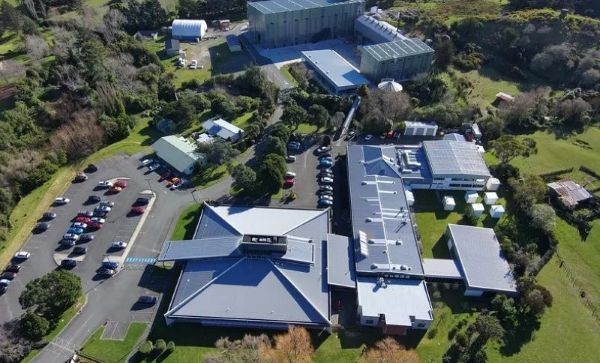 |
| BRANZ Judgeford Research Facility. Photo: BRANZ. |
|
|
|
|
|
Over more than 30 years of research and testing work, BRANZ Building Physicist Dr Ian Cox-Smith has underpinned big changes in the Building Code and standards. More people are living in warm homes as a result.
When Ian started work at BRANZ in the early 1990s, a colleague asked him what he was working on. He told them it was insulation materials and thermal performance. 'And what will you be working on next week?' they asked. While there was an element of humour in the comment, there was also a lot of truth. Much less thought was given to the topic back then and the testing methods available today didn't exist.
A large part of Ian's work is testing insulation materials and products for BRANZ's commercial clients. While some are from Aotearoa New Zealand, he also does a great deal of work for Australian manufacturers.
The equipment used and its level of precision has changed over the years - in some instances, with Ian physically building or modifying the hot boxes required. He repaired one $150,000 piece of equipment with complex faults so it was working perfectly again. 'Not bad, eh?'' he says.
Research work, including around retrofitting insulation into existing buildings, has also been an important part of his work. 'Insulation is one of the few things that pays for itself.'
MORE →
|
|
|
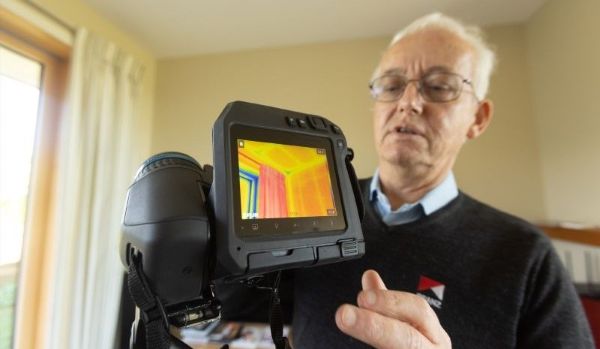 |
| Dr Ian Cox-Smith. Photo: BRANZ. |
|
|
|
|
|
As at 15 April, the Malaghan Institute's ENABLE-2 clinical trial of a new CAR T-cell therapy has reached its midway point, with the 30th patient treated and the trial tracking towards its goal of 60 patients treated by the end of 2026.
Malaghan Institute Clinical Director Professor Robert Weinkove says the milestone is a testament to the hard work of everyone involved in the trial as it continues to ready the public system for delivering CAR T-cell therapies.
"With treatment of trial participants in Auckland, Wellington and Christchurch, clinicians and their teams across the country are gaining critical experience and capability in CAR T-cell delivery. We hope this will help New Zealand advance CAR T-cell therapies as a future standard of care."
ENABLE-2 got underway in July 2024 on the back of promising phase 1 trial results that suggest improved safety compared with leading commercial CAR T-cell therapies, while remaining highly effective for B-cell non-Hodgkin lymphomas. With automated manufacturing of patients' CAR T-cells by the Malaghan Institute's partner BioOra Limited, the phase 2 trial expanded to three sites in February 2025, increasing the pace at which patients could be enrolled and treated.
MORE →
|
|
|
 |
| The ENABLE-2 team at Malaghan Institute of Medical Research. Photo: Malaghan. |
|
|
|
|
|
|
A new study from the Medical Research Institute of New Zealand (MRINZ) has found that adults with mild-to-moderate asthma who are already using regular inhaled corticosteroids (ICS) can achieve better control of airway inflammation by using the 2-in-1 combination budesonide-formoterol as their reliever inhaler.
The findings, published in February in The Lancet Respiratory Medicine, come from the INFORM ASTHMA trial, a 26-week randomised controlled study involving 181 adults with asthma taking maintenance ICS therapy.
The trial compared the use of budesonide-formoterol as a reliever with terbutaline, a traditional short-acting reliever. Participants using budesonide-formoterol experienced a 20% reduction in fractional exhaled nitric oxide (FeNO), a key marker of airway inflammation.
Dr Jonathan Noble, Principal Investigator of the INFORM ASTHMA trial and MRINZ Research Fellow, says the study provides new evidence for a simple and effective treatment strategy.
"This is the first randomised controlled trial to show that adults taking regular scheduled maintenance inhaled corticosteroids can safely use budesonide-formoterol as a reliever to directly reduce airway inflammation, the underlying disease process in asthma," says Dr Noble.
MORE →
|
|
|
|
|
|
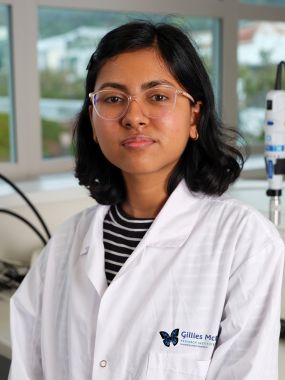
New research from the Gillies McIndoe Research Institute has uncovered important biological differences between males and females in infantile haemangioma (IH), the most common vascular tumour in infants.
Led by PhD researcher Raka Mitra, the study is the first to examine sex-specific differences across the three stages of IH development (proliferating, plateau, and involuting) alongside healthy tissue controls. The research identified several disrupted biological pathways, pointing to underlying metabolic differences in tumour behaviour.
Notably, female proliferating lesions showed increased oxidative phosphorylation and oxidative stress, along with changes in cholesterol regulation. Functional analysis also revealed that female IH samples exhibited higher rates of cell proliferation, migration, and angiogenesis compared to males - findings that align with clinical observations of greater incidence and severity in females.
The study provides a detailed proteomic map of IH across both sexes, identifying potential therapeutic targets and reinforcing the need for sex-specific approaches in future research and treatment strategies.
MORE →
|
| Raka Mitra, lead author. Photo: Gillies McIndoe. |
|
|
|
|
|
|

| Season one viticulture results from the Next Generation Viticulture programme. Photo: Bragato Research Institute. |
|
Researchers from the Bragato Research Institute have reported encouraging findings from the first growing season of the Next Generation Viticulture (NGV) programme in Marlborough. The initiative is testing innovative grapevine training systems designed to improve vineyard profitability, reduce labour costs, and enhance sustainability while maintaining New Zealand's premium wine quality.
Trials across seven vineyard sites are comparing three alternative canopy systems (6V, 9V and 12V) with standard cane-pruned methods. Early results from two Sauvignon blanc sites show the new systems promote faster early-season canopy development and significantly higher yields, driven by increased bunch numbers.
While sugar accumulation was generally fastest in standard systems, the 6V treatment achieved comparable ripeness with only minor delays. Importantly, vine vigour in 6V remained moderate, suggesting potential to reduce intensive canopy management practices.
Researchers say the findings indicate these new systems could improve efficiency without compromising fruit quality. Further analysis, including wine sensory results, will follow in future reports.
MORE →
|
|
|
|
|
|
In 2025, the Food and Fibre Centre for Vocational Excellence (FFCoVE) commissioned Scarlatti to research the use of AI in education and test the viability of structured oral AI-driven assessment in partnership with Fruition. An article by Research Manager Zoe Morgan shares what happened next, and how Scarlatti's Vocina platform emerged from that work.
"Fruition was interested in exploring how AI could help them develop assessments that genuinely captured learners' understanding, not their ability to produce polished written work.
"Written assessments are familiar, but they don't always reveal how learners think. Capable learners sometimes struggle to express themselves in writing. Others refine and edit text in ways that mask gaps in understanding. At the same time, careful management is always required for grade moderation to achieve consistency across tutors.
"Fruition was not looking for shortcuts. They were looking to design accessible assessments that surface learners' authentic understandings while retaining strong moderation and tutor control."
Following initial research and testing, Scarlatti designed and built the Vocina platform to deliver structured oral assessment agents.
MORE →
|
|
|
 |
| Image: Scarlatti. |
|
|
|
|
|
Who benefits when cities allow more housing? A new research project aims to answer that question - and Motu Research's Senior Fellow Stuart Donovan will help with the analysis.
Researchers at the University of Auckland have received a Marsden Fund grant to investigate the social and economic effects of large-scale zoning reforms. The project will examine the effects of upzoning (i.e. adopting planning rules that allow for more housing) on individuals.
The team, led by Associate Professor Ryan Greenaway-McGrevy and Peter Phillips, will study Auckland Council's Unitary Plan. Introduced in 2016, the plan upzoned about three-quarters of Auckland's residential land, leading to a surge in housing construction.
But a key question remains: who ultimately gains from these changes?
Motu's Stuart Donovan will contribute to the project's analytical work. He will help collate data, estimate models and translate the research findings into policy advice.
The research team will analyse how zoning reform reshapes neighbourhoods - including if upzoning helps individuals access high-opportunity areas or, alternatively, deepens existing inequalities. Understanding these effects matters. Where people live influences education, employment, and life chances. Robust evidence can help governments adopt housing policies that expands opportunity.
MORE →
|
|
|
 |
| Photo: Louise Thomas. |
|
|
|
|
|
Geoff Holmes, Director of the Leather and Shoe Research Association (LASRA), is drawing attention to a critical gap in New Zealand's innovation system — the space between scientific discovery and real-world application.
While high-quality research is produced across universities and institutes, Geoff notes that much of it does not translate into practical capability. In sectors such as leather manufacturing, innovation must be tested, refined and embedded within existing production systems to succeed.
LASRA works across this interface, combining fundamental research into collagen structure and processing chemistry with applied development of industrial processes. This integrated approach brings together scientific knowledge, process expertise and industry constraints to ensure research can be used reliably in practice.
By validating and translating research into workable solutions, LASRA helps reduce implementation risk, improve production consistency and accelerate the path from research to impact.
Geoff says strengthening this "missing link" will be key to ensuring New Zealand realises the full value of its research investments.
MORE →
|
|
|
 |
| AI Image: LASRA. |
|
|
|
|
|
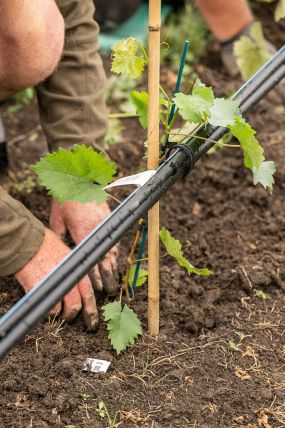
While SB2.0's goal is improved Sauvignon Blanc clones, New Zealand Winegrowers' (NZW) foundational genetics programme has already created long-lasting assets for the industry: new disease and virus testing capability, scalable screening tools, modern genetic "fingerprinting", robust data systems, and stronger global and local partnerships. Programme Manager Dr Darrell Lizamore reflects on what's now in place, and why it matters for winegrowers.
"One of the most gratifying parts of my work has been seeing the enthusiastic response from visitors to our new breeding vineyard. With the vine population expected to reach 10,000 vines this season, it's a tangible (and large) example of the progress we've made toward developing and selecting new clones of our dominant national variety.
"Less visible are the modern resources for grapevine improvement we've built in the background. Developing new vines is a long game, but the capability to produce and screen them faster, more reliably, and with less risk will accelerate progress and reduce costs for years to come. This article will shed some light on that capability and how it's already being used beyond the Sauvignon Blanc 2.0 Programme (SB2.0)."
MORE →
|
| A new sauvignon blanc clone is planted in a test breeding vineyard. Photo: Bragato Research Institute. |
|
|
|
|
|
|
The MRINZ has contributed to a major New Zealand study confirming that paracetamol and ibuprofen — the most widely prescribed or over-the-counter medicines for babies worldwide — are safe for use in the first year of life, providing reassurance to parents and health professionals managing pain and fever in infants.
The findings provide much-needed clarity after earlier studies raised concerns about a possible connection between early paracetamol use and childhood conditions such as eczema and asthma. The new research found no link between either medication and eczema or bronchiolitis, a common respiratory illness in infancy.
Almost 4,000 babies across New Zealand participated from birth. Half were randomised to receive paracetamol and half ibuprofen when needed, with researchers monitoring outcomes including eczema, asthma symptoms, and bronchiolitis. Serious side effects were rare, and none were caused by the medicines.
Professor Stuart Dalziel, MRINZ Children's Health lead, was a lead researcher on the project. He says, "Our study found that paracetamol and ibuprofen are incredibly safe to use in young children... These results give parents and health professionals high confidence to continue to use these important medications."
MORE →
|
|
|
 |
| Photo: MRINZ. |
|
|
|
|
|
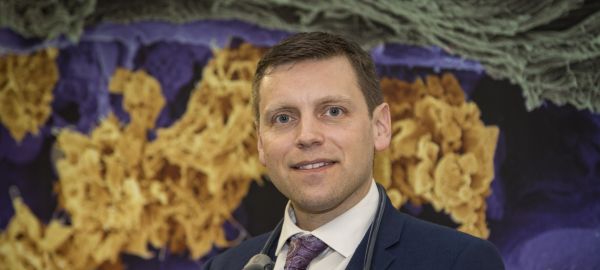
Professor Robert Weinkove, Clinical Director at the Malaghan Institute of Medical Research, writes that as a haematologist, one of the hardest conversations he has is telling someone that their blood cancer has come back, and that the treatments we usually rely on have stopped working.
A new kind of cancer treatment called 'chimeric antigen receptor' (CAR) T-cell therapy has transformed outcomes for some patients with blood cancers such as lymphoma or myeloma. First approved overseas in 2017, CAR T-cells are made by re-engineering a patient's own immune cells so they can recognise and attack cancer.
"The results can be remarkable. For some blood cancers, more than half of patients who had relapsed after multiple treatments went into complete remission. Many remain cancer-free years later."
CAR T-cell therapies are now publicly funded in Australia, the UK, and much of Europe. "Yet we have none here. Even New Zealanders who can overcome the cost and logistical barriers to travel overseas for CAR T can face long delays, which may mean losing the chance to benefit at all."
MORE →
|
|
|
 |
| Professor Robert Weinkove, Clinical Director. Photo: Malaghan Institute of Medical Research. |
|
|
|
|
|
|
|
Cawthron: Seaweek Science Talk - Marine Biosecurity in Aotearoa New Zealand
Marine biosecurity is challenging not because nature is failing, but because it's working perfectly. This talk by Dr Malindi Gammon, Invasion Ecologist at Cawthron Institute, explores how highly adaptable marine species spread, out-compete native life, and thrive in new environments — and why that matters for Aotearoa New Zealand. You'll hear about why early detection is critical, and how everyday actions by the public can help protect our seas.
|
|
|
|
|
|
|
Malaghan: From clinical trial to clinical tool
Dr Philip George has been a part of New Zealand's CAR-T journey from the very beginning, helping establish the ENABLE phase 1 trial, and now helping lead its phase 2 successor.
|
|
|
|
|
|
|
|
|
|
|
|
WHO WE ARE
IRANZ is an association of independent research organisations. Its members undertake scientific research, development or technology transfer. Members include Aqualinc Research Ltd, Bragato Research Institute, BRANZ, Cawthron Institute, DigiLab, Dragonfly Data Science, Gillies McIndoe Research Institute, HauHau Research, Heavy Engineering Research Association (HERA), International Global Change Institute (IGCI), Leather & Shoe Research Association (LASRA), Lincoln Agritech Ltd, Mackie Research, Malaghan Institute of Medical Research, Manawatū AgriFood Digital Lab, Medical Research Institute of New Zealand (MRINZ), Mātai Medical Research, M.E Research, Motu Economic and Public Policy Research, National Transport Research Organisation (NTRO), Scarlatti, Takarangi Research Group, Te Tira Whakāmataki, and WSP Research.
|
|
Contact: Dr Rob Whitney, Executive Officer, mobile: +64 27 2921050, email: information@iranz.org.nz
|
| Copyright © iranz |
|
|
|
|
|