It is with sadness that we acknowledge the passing of Dr Diane McCarthy earlier this month. Diane was a strong supporter of IRANZ through her governance roles with the Bragato Research Institute and the Malaghan Institute. Her distinguished academic and leadership career included senior roles at the University of Auckland and as Chief Executive of the Royal Society of New Zealand. She was widely recognised for her services to education, science, business, and the advancement of equity for women, Māori, and Pacific peoples in STEM.
On a brighter note, we warmly congratulate three IRANZ researchers who were elected as Royal Society Te Apārangi Fellows:
Professor Helen Danesh-Meyer CNZM, a Principal Investigator at Mātai Medical Research, elected for her world-leading work in ophthalmology and eye-brain research.
Professor Merata Kawharu MNZM (Ngāti Whātua, Ngāpuhi), Principal of Takarangi Research and Deputy Vice Chancellor Māori at Lincoln University, recognised for her pioneering work in Indigenous entrepreneurship.
Professor Paul Young of the Medical Research Institute of New Zealand (MRINZ) elected for research that has transformed intensive-care medicine globally.
Read more about these new fellows below.
Last month, IRANZ delegates had the opportunity to meet with the Hon Dr Shane Reti, Minister of Science, Innovation and Technology. The meeting was a valuable chance for our members to share what we believe is essential in shaping a stronger, more effective science system for Aotearoa New Zealand.
We highlighted three key priorities:
Increased investment in the Science, Innovation and Technology vote - to bring New Zealand closer to the OECD average and enable the research system to realise its full potential for national benefit.
Support for national research infrastructure maintained by Independent Research Organisations (IROs), including funding mechanisms that allow IROs to participate fully and sustainably alongside universities and the proposed Public Research Organisations (PROs). Crucially, we called for institutional neutrality in research commissioning to avoid bias toward government-owned providers.
Inclusion of IROs in system reform planning and implementation, particularly in the development of the PRO model and future funding frameworks. IROs offer proven capability, economic alignment, and agility that can strengthen the research landscape.
As the Science System Advisory Group (SSAG) consultation progresses, IRANZ has made a Phase 2 submission. We continue to advocate for fair and consistent support across all contributors to the science system, including IROs. We also look forward to ongoing discussions about how centres of excellence and collaborative models can build on the strengths already present in IROs and universities.
Since completing his PhD at the Malaghan Institute in 2007, Dr Nicholas van Panhuys has built an international career researching how allergies develop. He returned to the institute to share his latest findings. Photo: Malaghan Research Institute.
Twenty-three leading researchers, scholars, and innovators have been elected as Ngā Ahurei a Te Apārangi Fellows of the Royal Society Te Apārangi, recognising their excellence across science, technology, and the humanities. Among them are three distinguished members from Independent Research Institutes.
Professor Merata Kawharu MNZM (Ngāti Whātua, Ngāpuhi), Principal of Takarangi Research and Deputy Vice Chancellor Māori at Te Whare Wānaka o Aoraki, Lincoln University, was elected for her contributions to Indigenous entrepreneurship theory. A globally respected expert, she has advised the United Nations, UNESCO, and the Waitangi Tribunal, shaping policies on climate adaptation, sustainability, and Indigenous community development. Her research has influenced Crown-Māori relationships, while her award-winning publications have advanced discussions on environmental management, technology, and mātauranga.
Professor Paul Young of the Medical Research Institute of New Zealand (MRINZ) was elected for his contributions to intensive-care medicine. His research has reshaped global clinical practices in oxygen therapy, fluid resuscitation, sepsis management, and trauma care. His innovative clinical trials have challenged established norms, providing evidence that has directly improved outcomes for critically ill patients worldwide.
Professor Helen Danesh-Meyer CNZM, a Principal Investigator at Mātai Medical Research and the Professor of Ophthalmology at the University of Auckland, is a clinician-scientist ophthalmologist working at the frontier of research on eye-brain interactions. She has uncovered the underlying pathology behind conditions and improved their clinical management. One example is her discovery of a non-invasive imaging biomarker for sight-threatening pituitary tumours that is now used for patients worldwide. She was part of a team which showed that neurons in the retina can be killed by opening of membrane channels causing neuroinflammation, and rescued by blocking the channels. Another achievement was to identify that loss of retinal-nerve fibre can be used as an imaging biomarker to diagnose and stage Alzheimer's disease.
Groundbreaking research involving Mātai Medical Research Institute and New Zealand collaborators has been featured in a special edition of the UK Royal Society's Interface Focus journal. The issue, emerging from the interdisciplinary Pulsing Brain meeting co-chaired by Associate Professor Samantha Holdsworth (Mātai and University of Auckland), explores how the brain subtly moves with every heartbeat - a phenomenon that may be key to understanding brain health, ageing, and disease.
The lead perspective paper outlines how non-invasive imaging technologies such as MRI, ultrasound, and mathematical modelling are shedding new light on brain fluid dynamics and tissue motion. A standout innovation is amplified MRI (aMRI), pioneered by Mātai, which reveals micro-movements in the brain.
Mātai's collaborative studies also showed that even mild exercise changes brain motion, with implications for understanding concussion and long-term neurological health. Another paper challenged assumptions about brain ageing, showing blood vessel stiffness doesn't increase with age in healthy people.
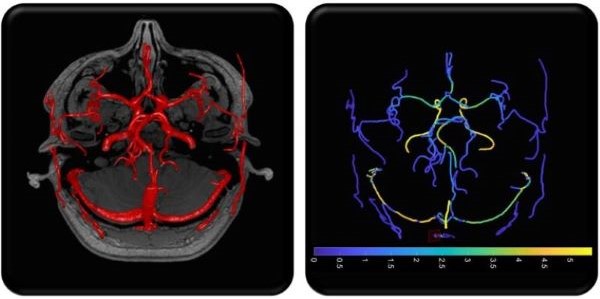
Visualising brain blood flow with 4D flow MRI: This image shows how major brain arteries are tracked in 3D. The technique reveals how heartbeat pressure waves move through vessels, offering insight into vascular health. Image: Sergio Dempsey (Auckland Bioengineering Institute).
Vision impairment remains a significant global health challenge, with millions affected by conditions such as age-related macular degeneration, diabetic retinopathy, and glaucoma. While several treatment options exist, many have limitations in both effectiveness and long-term outcomes.
A key challenge is delivering medication to the back of the eye, where the retina and macula are located. Current treatments often rely on frequent injections or even subretinal surgery - invasive methods that carry risks and complications for patients.
Estendart Research (ERL) has recently completed a pilot study investigating a promising alternative: a novel, non-surgical suprachoroidal delivery technology designed to administer next-generation retinal treatments more safely and effectively. This approach aims to improve how therapies reach the affected areas in the posterior segment of the eye, potentially reducing the need for invasive procedures.
ERL's research represents a step forward in developing safer, more efficient treatments for vision loss and could play a key role in improving outcomes for patients living with serious eye diseases.
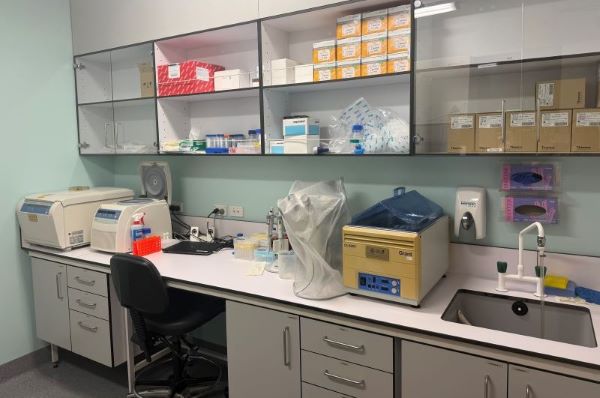
The Gillies McIndoe Research Institute in Wellington is offering access to specialised lab space, histology services, and a significant tissue and cell bank, supporting researchers and biotech innovators working to translate early-stage discoveries into practical outcomes.
Located in Newtown, the Institute's Translational Research Services are tailored for both academic and commercial users, offering a pathway through common bottlenecks in research development — particularly the lack of access to advanced lab facilities and patient-derived biological materials.
The site includes PC2-certified labs, a lentivirus-compliant tissue culture room, and shared use of advanced equipment such as an Incucyte, confocal microscope, and ultra-low temperature storage. A full histology suite supports techniques used in biomarker discovery and pharmaceutical development, including H&E, IHC, FISH, ISH, and access to proteomics and metabolomics.
Researchers can also access a wide-ranging tissue and cell bank, with services including tissue digestion and biobanking under approved ethics.
Available on a fee-for-service or collaborative basis, these services help bridge the gap between lab research and real-world application — supporting innovation and enabling new partnerships across the research and biotech sectors.
As warm temperatures persist across the country, new research from BRANZ shows that indoor summer temperatures in New Zealand homes have increased by 6-10% over the past two decades - more than many people realise.
This trend coincides with outdoor temperature increases of 4-8% over the same period, according to NIWA data. In-home monitoring from 151 homes during summer 2023/24 found average indoor temperatures had risen by 1.3-2.1°C since the original HEEP study 20 years ago. Evening temperatures in both living rooms and bedrooms often exceeded 24°C, with over one-third (36%) of 310 monitored bedrooms classed as 'overheating'.
A companion survey of 425 households found 70% said their home felt warmer than they would like at least some of the time in summer. That's a higher proportion than those who felt their home was too cold in winter (48% vs. 34%).
BRANZ Senior Research Scientist Vicki White cautions on the issue of overheating: "Overheating homes are uncomfortable, can exacerbate health issues and impact sleep, and the issue is becoming more prevalent with climate change".
Wondering about the impact of the Trump tariffs on New Zealand and other countries?
Motu Economic & Public Policy Research Senior Fellow Professor Niven Winchester has estimated changes in countries GDP due to US reciprocal tariffs with the results published in The Conversation magazine. He models two scenarios - GDP impacts with and without retaliatory tariffs by countries.
Under the model where countries respond with equivalent tariffs on US goods - "Some nations gain from the trade war. Typically, these face relatively low US tariffs (and consequently also impose relatively low tariffs on US goods). New Zealand (0.29%) and Brazil (0.28%) experience the largest increases in GDP. New Zealand households are better off by $397 per year.
"The tariffs decrease US GDP by $149 billion (0.49%) because the tariffs increase production costs and consumer prices in the US...At the same time, retaliation leads to a worse outcome for the US.
"Previous tariff announcements by the Trump administration dropped sand into the cogs of international trade. The reciprocal tariffs throw a spanner into the works. Ultimately, the US may face the largest damages."
Following WSP's groundbreaking research into the impact of level crossing infrastructure on driver behaviour, a second stage of research has shed new light on how road design can influence safety at these critical intersections.
Between 2010 and 2020, there were fifty-two fatal or serious injury incidents at level crossings across Aotearoa New Zealand. Many of these were at passive crossings, where the only control measures were "Stop" signs.
WSP Research's Joel Burton, who led the study on behalf of KiwiRail, says the first stage of WSP's research highlighted the surprising ways in which infrastructure could shape driver decisions. It found that many drivers simply rolled through Stop signs or failed to properly check for oncoming trains, even when signs were clearly visible. This behaviour was especially prevalent at passive level crossings with poor visibility and no active controls.
"With a clear need to better understand the factors that influence driver behaviour, the second stage of our research, carried out between July 2023 and April 2024, took a more hands-on approach to observe and quantify these behaviours," says Joel.
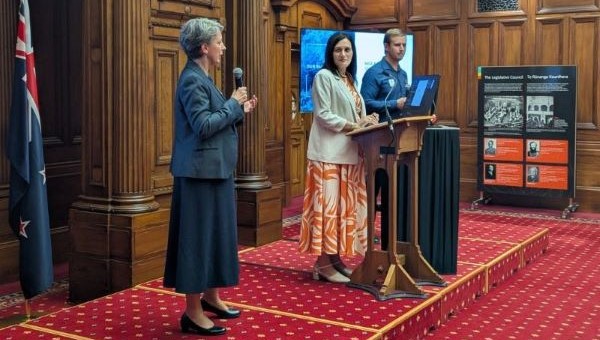
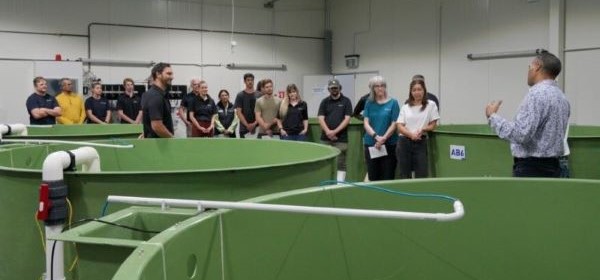
The third event in 2025's Parliamentary Science Forum was held on 1 April. MPs learnt about how aquaculture (fish farming) can feed our growing world. Dr Suzy Black, Plant & Food Research, spoke about farming fish in mobile enclosures and Dr Patrick Cahill, Cawthron Research Institute, spoke about a variety of aquaculture techniques for shellfish and seaweeds.
Patrick, Research Scientist and Marine Biosecurity Team Leader at Cawthron, discussed the potential of aquaculture to grow the New Zealand economy.
"We are currently realising less than 5% of the sustainable biophysical potential for aquaculture in New Zealand. A prosperous, resilient future aquaculture sector calls for diversity and sustainability, with low trophic aquaculture an important component. Low trophic aquaculture is the farming of aquatic primary consumers (e.g., seaweeds) and aquatic primary producers (e.g., shellfish). New Zealand are world-leaders in low trophic aquaculture, exemplified by our iconic Greenshell mussel farming sector. Low trophic species are inherently geared toward high productivity, and by farming the right species we can deliver high value products to domestic and international consumers."
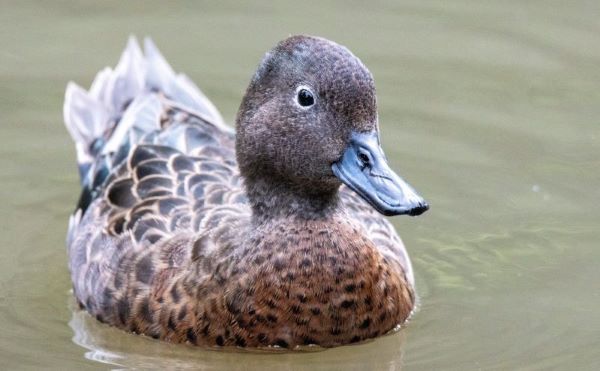
A new study has revealed that the remnant population of the endangered pāteke/brown teal on Aotea Great Barrier Island is at serious risk of extinction within the next century. The study has found there is a 46% likelihood of the bird disappearing entirely and a 99% chance of dwindling to fewer than 50 individuals.
The study, lead authored by Cawthron Institute's Dr Finnbar Lee, used population viability analyses and species distribution modelling to investigate the drivers of pāteke decline and the most effective conservation strategies.
Finnbar said the findings highlight the importance of targeted conservation.
"We've known for a long time that pāteke have been struggling, but this research quantifies just how serious the situation is. The key to slowing their decline is protecting adult birds, as our modelling shows this has the biggest impact on population growth," says Finnbar.
The study also examined pāteke's historical range, revealing that these unique waterfowl were once widespread across much of coastal Aotearoa. This underscores the potential for re-establishing populations in regions where they once thrived.
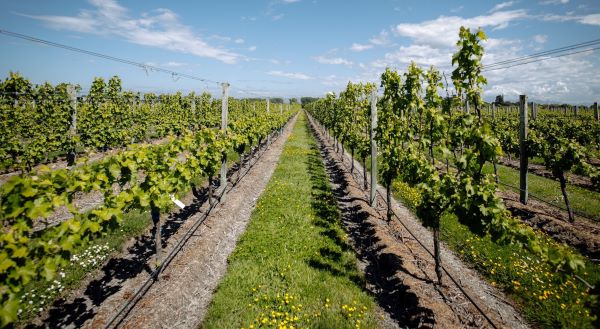
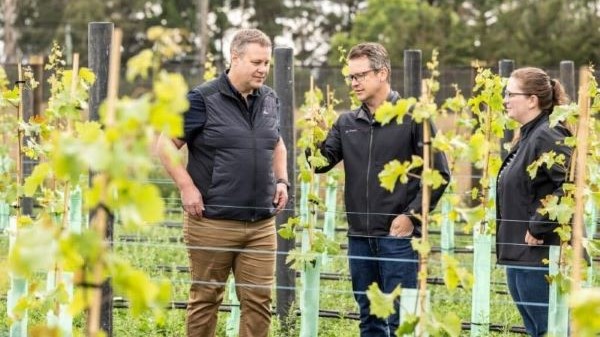
Rising production costs and declining profitability in New Zealand's wine industry have prompted a fresh look at how grapes are grown. As part of the seven-year Next Generation Viticulture (NGV) research programme at Bragato Research Institute, a series of field trials began in winter 2022 across three Marlborough vineyards to explore innovative training systems that could boost productivity while reducing costs.
The trials focused on Sauvignon blanc - New Zealand's flagship white grape - alongside Riesling, Albariño, Pinot noir, and Lagrein. Six new training systems were compared with the industry-standard head-cane Vertical Shoot Positioning (VSP) system. These alternatives aimed to support more retained nodes, lower management costs, and increase returns.
Early results showed the new systems supported two to twelve times more nodes than the commercial control, developed foliage earlier, and captured more sunlight early in the season. While all systems had similar exposed leaf areas, some produced denser canopies. One system showed particular promise - doubling node retention without affecting budburst or canopy structure. This latest update explores how these systems influenced reproductive growth, fruit maturity, yield, vine balance, biomass, and vigour.
Of the 720,000 tonnes of fertiliser applied annually to New Zealand pastoral and arable farms, 25% to 35% is blended, containing nitrogen (N), phosphorus (P), and potassium (K) in one product.
While this may appear to offer time and cost savings to farmers, it can also result in uneven crop yield due to irregular spreading.
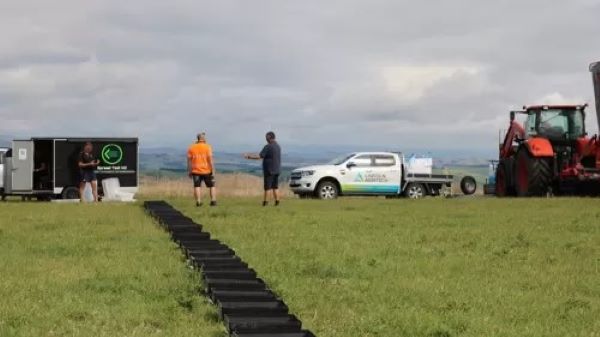
A three-year Lincoln Agritech project investigating blended fertiliser spread is now providing hard data and insights into what's happening.
"The issue we're trying to solve is there has been repeated striping or streaking in fields of crops, where the fertiliser hasn't distributed uniformly," says project leader and Lincoln Agritech Agronomist Allister Holmes.
Funded by a Sustainable Food & Fibre Futures grant and co-funded by the Fertiliser Quality Council, Groundspread New Zealand, and Environment Canterbury, the project included field tests in Waikato, Canterbury, and Otago, and analysis of around 20,000 trays of fertiliser. It tested 25 different blended fertiliser lines from multiple companies, broadcast using eight different spreaders.
"The blends had quite different physical characteristics in the North Island and South Island, because, even though they may have the same brand name, they are blended locally," says Allister.
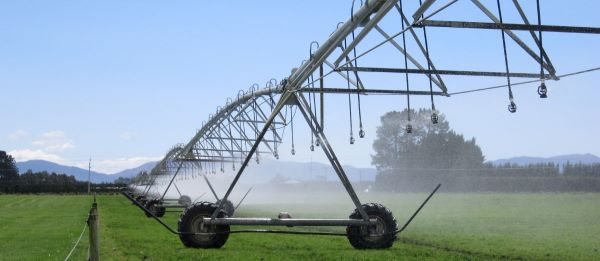
Recent updates to the National Environmental Standards for Freshwater (NES-FW) have removed key restrictions, potentially enabling greater flexibility in land use across New Zealand.
From 1 January 2025, regulations around agricultural intensification - including dairy conversions, expanding irrigated dairy land, dairy support land use, and intensive winter grazing - have been revoked. Previously, such activities required resource consent, creating a significant hurdle to intensification, particularly in Canterbury where few applications were lodged.
These activities will now be governed primarily by the Canterbury Land and Water Regional Plan (LWRP), rather than under both the NES-FW and the LWRP frameworks.
In parallel, the National Policy Statement for Freshwater Management (NPS-FW) has also been revised. Consent applications are no longer required to assess against the Te Mana o te Wai hierarchy, which placed the health of water bodies above all other considerations.
The changes mean consent decisions can now focus on managing environmental effects within defined limits, rather than requiring no impact on water resources - a shift that may support more balanced land use decisions.
NES-FW changes do not mean that changes or intensification can occur on farm that may lead to reductions in water quality or will act against achieving nutrient reduction targets. Photo: Aqualinc.
HERA has released a newly revised edition of the HERA R4-156 Design Guide for Seismic Design of Moment Resisting Steel Frames (MRSF) - an essential resource for engineers designing seismic-resistant steel structures.
As seismic activity increases worldwide, ensuring the resilience of steel structures is more critical than ever. This update provides engineers with the latest methodologies and insights, improving the safety and performance of buildings in earthquake-prone regions.
Key Updates:
Clearer clauses and commentary - Improved language based on industry feedback for better clarity and usability.
Latest global research - Incorporates advancements in moment end plate steel connections to align with international best practices.
Integration with HERA design guides - Aligns with the recently released HERA Diaphragm Seismic Design Guide (HERA R4-161) for a comprehensive approach.
Detailed worked example - Includes connection detailing for practical application in seismic design.
The updated guide is now available for download on the HERA website.
A three-year search to find more sustainable, cheaper, longer-lasting and better-performing battery materials is already showing promising results, one year into the project.
In late 2023, Lincoln Agritech Research Scientist Joseph Nelson received a $360,000 grant from the Marsden Fund to search for new lithium-ion battery compounds, using high-performance computing.
As the move to sustainable electricity accelerates, the world is becoming more dependent on lithium-ion batteries. But the materials needed for those batteries - such as cobalt and nickel - can be rare, environmentally damaging to extract, and subject to fluctuating availability and price because of geopolitical instability.
"We need to sever our dependence on those materials," says Joseph.
Several research teams around the world are investigating the potential of a few selected compounds, but Joseph is taking a different approach. He's using high-performance computing to investigate hundreds of thousands of possible compounds.
"Since setting up and starting, I've focused largely on the oxide metals. There are already some compounds that show potential."
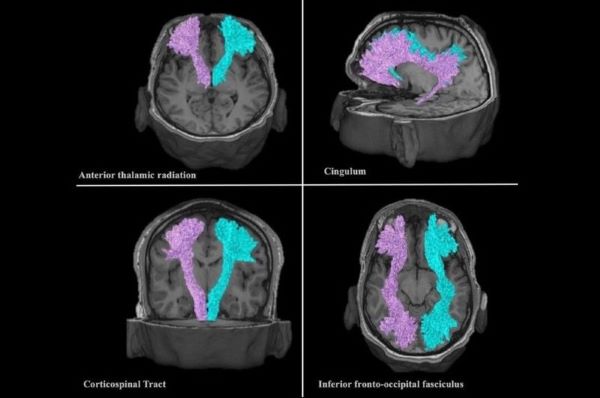
The Brain-RePAIR research team at Mātai Medical Research has released initial findings on how rugby affects young players' brains. Using advanced MRI techniques, researchers tracked high school rugby players across a season and compared their brain scans to non-contact sports athletes.
The study found no significant changes in the rugby players' brains over the season. However, differences were observed in white matter tracts (neural pathways connecting brain regions) between the two groups. The reasons behind these variations remain unclear. They may reflect natural differences, the effects of repeated head impacts, or even beneficial adaptations from playing sports.
To better understand these findings, researchers aim to expand the study by including more participants. The ongoing Brain-RePAIR study will provide deeper insights into the impact of repetitive head impacts on young athletes, helping to develop strategies to protect players while ensuring they continue to benefit from sports.
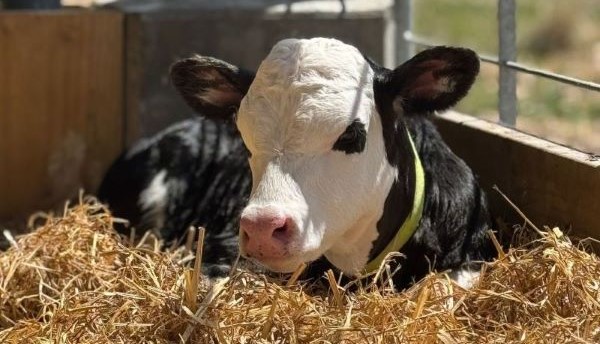
Estendart Research (ERL) has completed a two-part pilot study testing a novel vaccine in newborn calves, aiming to improve early disease prevention in calf sheds. Vaccinating calves at birth could significantly reduce the risk of disease spreading during this vulnerable stage.
Calves typically rely on passive immunity passed on from their dams (mothers), which are often vaccinated to protect both themselves and their offspring. However, when cows are unvaccinated or calves receive powdered colostrum instead of natural colostrum, the transfer of immunity may be insufficient. This leaves young calves exposed to a range of fast-spreading, potentially fatal zoonotic diseases, which are costly for farmers to manage.
The pilot study required close observation of heavily pregnant cows, with researchers monitoring around the clock to identify and treat newborns immediately after birth. Once born, each calf was drafted, vaccinated, and sampled for ongoing analysis.
The promising approach trialled by ERL could offer a valuable tool to improve calf health and protect herd wellbeing, especially in situations where natural immunity is compromised.
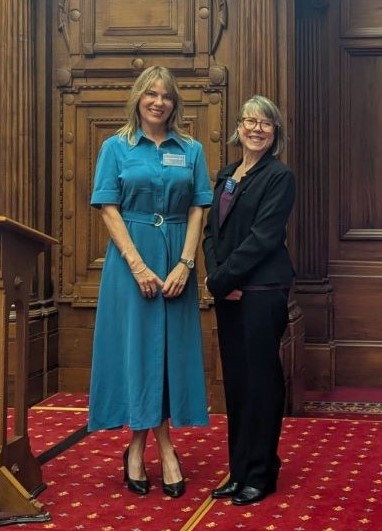
The second event in 2025's Parliamentary Science Forum was held on 5 March. Dr Hilary Longhurst, University of Auckland, told MPs about upcoming gene therapy to cure rare genetic diseases and Professor Kjesten Wiig, Malaghan Research Institute, talked about arming our immune cells to fight cancer.
Kjesten, the new director of the Malaghan Institute of Medical Research, discussed the institute's ground-breaking research into Chimeric Antigen Receptor (CAR) T-cell therapy and its efforts to give New Zealanders access to this cutting-edge cancer treatment.
She shared the Malaghan's cancer research in the context of its focus on the immune system and its potential to be harnessed to prevent, treat, and cure disease. She spoke on Malaghan's work as an independent charity across fundamental research through to clinical trials and healthcare integration.
The Malaghan is focused on developing technologies that stimulate strong immune responses against cancer cells, through better understanding the way the immune system programmes immune cells to attack tumours.
CAR T-cell therapy is one such therapy - a gene-modifying technology which uses our own immune system to fight cancer.
BRANZ CEO Claire Falck identifies the need to balance affordability and quality as among the most pressing challenges facing the sector in 2025.
"Often when we start talking about improving quality standards in the building industry, the default response is 'but what about affordability?' - the concern being that the two concepts are mutually exclusive or 'quality equals expensive'.
"It's not an unreasonable concern, but it is an inaccurate assumption, and I don't think New Zealand has to - or should - choose between the two.
"Every year, we're confronted with news of a range of building flaws and failures. Already in 2025, we've seen stories emerge about overheating townhouses, new weathertightness issues in apartment complexes, blatant non-compliant practices and multi-million-dollar repair costs. There's no question that, collectively, the sector needs to do better because the costs to building and homeowners of putting things right will always far outweigh the cost of getting them right first time."
How much do parents' earnings shape their children's future?
Does a child's future income depend on their parents' earnings? Motu Economic and Public Policy Research's latest research explores intergenerational earnings persistence (IEP) in Aotearoa New Zealand using a rich dataset of 288,000 individuals born between 1986 and 1992. By linking these individuals to their parents through administrative records, census data, and household surveys, the researchers uncover patterns in income mobility across generations.
They found that while children inherit some of their parents' economic advantages or disadvantages, this explains only a small part of overall income inequality. Motu's analysis shows that, on average, a child retains about a quarter of their parents' earnings advantage or disadvantage. We also examine how these patterns differ by ethnicity, gender, and employment type, shedding light on broader social and economic forces at play.
This research deepens our understanding of economic mobility in Aotearoa and highlights the role of structural factors — including discrimination and systemic barriers - in shaping opportunities. By identifying where inequality persists, the researchers provide insights that can inform policies aimed at creating a fairer, more inclusive economy.
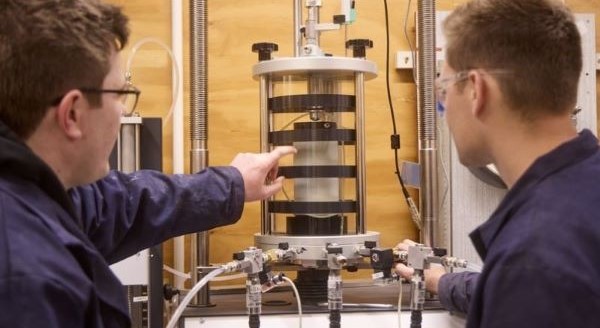
WSP has expanded its national fleet of soil testing technology with the addition of a new automatic static triaxial testing machine in its Petone research lab.
The machine, which arrived from Italy last year, is designed to test the strength of slope materials and their properties. It measures the energy at which soil and aggregates will shear under pressure - letting engineers improve the stability of slopes, retaining walls, and other civil engineering structures.
WSP Petone-based team leader for testing services Zac Francis says the new triaxial machine is a big leap forward in WSP Research's triaxial testing capabilities.
"It's much larger and more sophisticated than anything we've had before, allowing us to work more efficiently, test to additional standards and provide more detailed and accurate results."
The new machine joins a fleet of fifteen triaxial testing machines that WSP operates across its Wellington, Hamilton, and Auckland labs. While other WSP labs have similar machines, the new one in Petone can handle non-conventional sample sizes and test large aggregate material such as basecourse and subbase.
Bragato Research Institute's Sauvignon Blanc 2.0 Programme is propelling New Zealand's wine industry into the future, aiming to produce the next generation of resilient grapevines. Now three years into its decade-long timeline, the programme combines cutting-edge science, technology, and strategic investment to help vineyards adapt to climate and disease pressures while maintaining competitiveness.
In 2024, researchers successfully generated over 6,000 unique Sauvignon Blanc clones through controlled stress techniques that trigger natural genetic changes. Each vine is digitally tracked from lab to nursery to vineyard, where a new quarantine-managed research site in Lincoln has been established. With survival rates over 97%, the young vines are now poised for the next phase of selection.
DNA extraction and sequencing tools have been scaled up, and bioinformatics workflows are being used to identify promising traits like disease tolerance and drought resistance. A key innovation is the new AI Blackbird robot, capable of scanning hundreds of leaves daily to detect powdery mildew resistance - potentially reducing spray use.
Scientists at Cawthron and Plant & Food Research in Whakatū Nelson are collaborating to understand how snapper (tāmure) cope with temperature extremes. The work is part of the MBIE-funded Climate Adapted Finfish research programme, led by Cawthron, which aims to help key species thrive in a changing climate.
More than 1,000 juvenile snapper were recently transferred from Plant & Food Research at Port Nelson to Cawthron's Aquaculture Park in Glenduan. There, they'll be closely monitored under different temperature conditions to assess how they perform.
Programme leader Dr Jane Symonds, Cawthron senior aquaculture scientist, says the trials will help inform future breeding. "We've been running these kinds of studies with salmon for quite some time and recently discovered that thermotolerance is a heritable trait in King salmon - which is great news for future-proofing the species. But we haven't yet done this work for other high-interest species like snapper."
The research will have implications for aquaculture, wild fisheries, and biodiversity, providing critical insights into how marine species may adapt to climate change.
A group of researchers and technicians from Plant & Food Research and Cawthron Institute gather at Cawthron's Finfish Research Centre for a blessing of the snapper/tāmure. Photo: Cawthron.
HERA: Sparking a passion for structural fire engineering
Lydia's journey through her HERA internship has been nothing short of transformative. As a third-year engineering student at the University of Canterbury, she stepped into the world of structural fire engineering with minimal prior exposure - only to come out with hands-on experience, deep insights, and a newfound passion for the field. From modelling structural members to analysing fire protection methods, she shares how working on real-world projects has shaped her understanding of both fire engineering and sustainability in construction.
IRANZ has gone social. For up-to-date information about the activities of our member organisations and notification of updates to the website follow us on the link below.
IRANZ is an association of independent research organisations. Its members undertake scientific research, development or technology transfer. Members include Aqualinc Research Ltd, Bragato Research Institute, BRANZ, Cawthron Institute, DigiLab, Dragonfly Data Science, Estendart Research Ltd, Gillies McIndoe Research Institute, HauHau Research, Heavy Engineering Research Association (HERA), International Global Change Institute (IGCI), Leather & Shoe Research Association (LASRA), Lincoln Agritech Ltd, Mackie Research, Malaghan Institute of Medical Research, Manawatū AgriFood Digital Lab, Medical Research Institute of New Zealand (MRINZ), Mātai Medical Research, M.E Research, Motu Economic and Public Policy Research, National Transport Research Organisation (NTRO), Scarlatti, Takarangi Research Group, Te Tira Whakāmataki, and WSP Research.
Contact: Dr Rob Whitney, Executive Officer, mobile: +64 27 2921050, email: information@iranz.org.nz