The past few months have seen significant announcements from Parliament about the future shape of Aotearoa New Zealand's science system and funding mechanisms. As change gathers pace, Independent Research Organisations remain focused on what matters most - delivering high-quality, independent research that aligns with national priorities and produces tangible benefits for people, communities, and the environment.
The stories in this issue of Connections highlight that commitment in action. From protecting native birds to preparing our infrastructure for an ageing population, IRANZ members continue to translate science into solutions.
At Dragonfly Data Science, data integrity shone through during Forest & Bird's Bird of the Year competition. It might seem like a bit of fun, but the annual competition sparks mass interest in conservation. Data scientist Dr Yvan Richard, who dealt with over 75,000 votes from the public, ensured every vote was verified and transparent - a reflection of the rigour that underpins Dragonfly's work across conservation and analytics.
In the Makarora Valley, DigiLab researchers Drs Laura Molles and Carol Bedoya are using advanced acoustic algorithms to track the endangered mohua. Their innovative approach to species monitoring offers a powerful, non-invasive model for conservation technology in remote environments. The team are working on the algorithms and AI to mass monitor wildlife populations - distinguishing species and their numbers in an accurate and non-invasive way.
Meanwhile, BRANZ has launched NECO₂, the National Embodied Carbon Data Repository, making 12 years of verified carbon data freely available. This world-first database equips architects, engineers, and builders to make informed decisions that reduce the carbon footprint of New Zealand's built environment.
And at Parliament, a recent WSP and Helen Clark Foundation event shone a spotlight on the infrastructure challenges of an ageing population, with WSP Fellow Kali Mercier joined on a panel by Minister of Infrastructure Hon Chris Bishop and Labour Spokesperson for Housing, Infrastructure and Public Investment Kieran McAnulty for a spirited discussion. With one in three New Zealanders projected to be over 65 by 2078, WSP's report Age-proofing Aotearoa calls for coordinated, forward-looking planning to ensure social and economic wellbeing for future generations.
These examples, and more below, demonstrate how independent research continues to serve the nation - combining innovation with integrity, and ensuring that science in Aotearoa delivers for all New Zealanders.
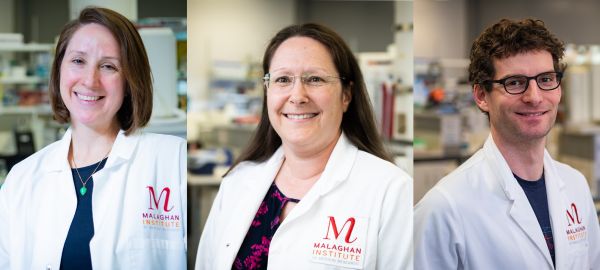
Researchers at the Malaghan Institute, led by Dr Michelle Linterman, have been awarded a Catalyst Seeding grant from Royal Society Te Apārangi to investigate how metabolism shapes the way immune cells work. The project brings together international and multidisciplinary expertise, linking scientists at the Malaghan Institute with Dr Theodore Alexandrov's team at the University of California, San Diego. Together, they aim to uncover how metabolic processes influence immune responses, paving the way for better vaccines and cancer treatments. From left: Dr Michelle Linterman, Dr Rachel Perret, Dr David O'Sullivan. Photo montage: Malaghan Institute of Medical Research.
A landmark clinical trial led by the Medical Research Institute of New Zealand (MRINZ) has found that a 2-in-1 asthma inhaler can cut attacks in children by nearly half compared to salbutamol, the current global standard of care.
The findings, published on 27 September in The Lancet, come from the CARE trial (Children's Anti-inflammatory REliever) - the first randomised controlled study directly comparing the two treatments in children aged 5-15.
For decades, children with asthma have been prescribed salbutamol, a reliever inhaler that eases symptoms but does not prevent attacks. Adults, meanwhile, have followed updated global guidelines recommending budesonide-formoterol, a combined anti-inflammatory and bronchodilator inhaler, as the preferred reliever.
The CARE trial's results are striking. Children using budesonide-formoterol had a 45% reduction in asthma attacks compared with salbutamol. On average, there were 18 fewer attacks per 100 children per year when switched to the 2-in-1 inhaler. The treatment was safe, with no differences in growth, lung function, or overall asthma control.
Given the choice, few people would opt to recover in hospital if they could do so at home. Participants in Malaghan's ENABLE-2 CAR T-cell trial now have that choice thanks to promising safety results from a recent trial. Delivering safe and effective outpatient care requires having systems in place to closely monitor patients and respond quickly to any signs of concern.
To improve patient monitoring after treatment, the Malaghan's CAR T clinical team ran a pilot study, published in the International Medicine Journal, trialling two wearable temperature monitors as a way to catch side effects of blood cancer treatment - with the goal of supporting effective outpatient monitoring.
"In 'RE-TELL, a study of CAR T-cell patient and carer experiences', we found that patients really disliked the long hospital stay," says Malaghan Institute Clinical Director Professor Rob Weinkove. "It means they have to be away from home, family, and pets, and subjects them to infection risk and the hospital food! We also have hospital bed shortages nationally, so there is a pressing need to find innovative ways to safely support outpatient monitoring."
A new report by Motu Economic and Public Policy Research senior researchers Jaimie Monk and Arthur Grimes reveals that starting life in public housing can help set children up for success. The study, Housing and child development: Trajectories of child wellbeing by tenure type in Aotearoa New Zealand, tracked nearly 6,000 children from birth to age 12.
While children in public housing initially showed more behavioural challenges at age two, these eased more quickly than for peers in other housing. By age nine, behaviour levels were similar, and by age 12 their overall wellbeing was as strong - if not stronger.
The study found that positive outcomes were strongly linked to stable home environments, supportive relationships with whānau and teachers, time outdoors, and freedom from bullying. Frequent house moves were associated with slightly lower wellbeing, but these effects were modest when other factors were considered.
The research highlights the importance of stable housing and early support in fostering children's wellbeing and long-term outcomes.
Mackie Research is carrying out a Safe System in-depth analysis of 200 road fatalities to better understand the key determinants of road trauma in New Zealand. Funded by the AA Research Foundation, the study builds on analysis methods used in earlier investigations of fatal and serious crashes, work-related road safety, and pedestrian crashes.
Road fatalities are rarely caused by a single factor. Instead, they often involve a combination of elements such as driver error or distraction, excessive speed, fatigue, alcohol or drug impairment, poor road design, and vehicle safety limitations. Environmental conditions like weather and visibility can also play a role.
By analysing these factors in detail, Mackie Research aims to identify patterns and system weaknesses that contribute to fatal outcomes. The findings will help ensure a stronger connection between what is known about crash causes and the policies, programmes, and interventions designed to prevent them. Ultimately, this work will support efforts to make New Zealand's road network safer and reduce serious harm on the roads.
A new research report released by WSP and the Helen Clark Foundation calls for urgent, coordinated action to prepare infrastructure, housing, healthcare, and social services for a future where as many as one in three New Zealanders may be aged 65 or older.
The report, authored by WSP Fellow Kali Mercier, highlights both the promise and the pressure of Aotearoa New Zealand's rapidly ageing population.
"Population ageing is one of the country's most significant challenges, but it's also a huge opportunity," says Kali. "With the right planning and investment, we can ensure older people live well - and that we are building communities that work better for everyone."
The report - called Age-proofing Aotearoa: Rethinking our infrastructure for an ageing population - finds that while older New Zealanders generally enjoy high wellbeing compared to their OECD peers, demographic change is accelerating. The 65+ population is projected to grow from 870,000 in 2024 to as many as 2.5 million by 2078.
The report calls for a coherent, long-term population and infrastructure strategy that integrates ageing into every level of planning.
PhD students Jasmine (Jaz) White and Clara López from the Gillies McIndoe Research Institute will attend the Society for NeuroOncology Meeting in Hawaii from 19-23 November, supported by funding from Victoria University of Wellington and the University of Otago respectively.
Jaz will present a poster outlining research showing how patient-derived glioblastoma neurospheres respond differently to temozolomide and radiation treatment. Her work identifies treatment-resistant subgroups and reveals mechanisms such as metabolic reprogramming and oxidative-stress evasion, offering insights into potential biomarkers and therapeutic targets to overcome chemoradiation resistance.
"This research has revealed molecular mechanisms and potential predictive biomarkers of treatment response, as well as therapeutic targets to aid the prevention of chemoradiation resistance," says Jaz.
Clara's poster presentation explores the hormonal and sex-specific influences on drug metabolism in patient-derived meningiomas. Her findings suggest that oestrogen and cholesterol-related pathways may drive subtype and sex differences in tumour biology.
"Meningioma molecular and metabolic profiles differ according to the subtype and sex, and understanding this will help us develop better treatments for patients."
Follow the link for more about studying at Gillies McIndoe.
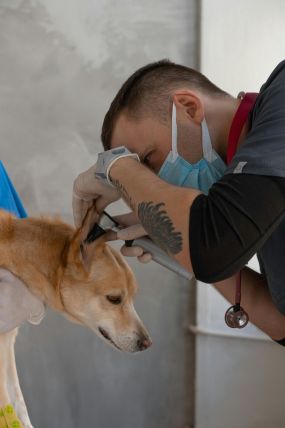
Estendart Research Ltd (ERL) has taken a major step toward greater transparency in science by signing ANZCCART's Openness in Animal Research Agreement. The move reinforces the company's long-standing commitment to ethical research and animal welfare.
"For us, openness isn't just a policy, it's part of who we are," says Dr Shirli Notcovich, ERL's Research Leader. "We believe the public deserves to understand how and why animals are used in research, and the care taken to ensure their wellbeing."
As a private Contract Research Organisation, ERL is not required by law to disclose details of its animal research. However, Dr Notcovich says transparency builds public trust and helps people appreciate the crucial role animals play in advancing both human and veterinary medicine.
By joining the ANZCCART-led initiative, supported by Understanding Animal Research Oceania, ERL stands alongside other research institutions across New Zealand and Australia committed to openness, education, and accountability.
"This agreement reflects our core values of integrity, responsibility, and scientific excellence," says Dr Notcovich. "Transparency strengthens science - and the public's confidence in it."
DigiLab researchers Drs Laura Molles and Carol Bedoya are developing advanced acoustic tools to monitor mohua (also known as yellowhead, Mohoua ochrocephala) populations in the Makarora area. Working with Southern Lakes Sanctuary staff, the team has combined colour-banding, field recordings, and automated acoustic data to track these rare native birds.
Their newly developed algorithm can detect three types of mohua vocalisations - "chatter", "melodic songs", and "trilly songs" - with high precision, providing valuable insights into breeding activity. A secondary algorithm has identified that songs containing an extra trill may be associated with females, offering a potential clue to nesting behaviour.
While early tests of an individual-recognition algorithm achieved up to 97 percent accuracy for one bird, further recordings are needed to strengthen results. The researchers aim to refine these tools to monitor mohua presence, breeding, and survival across multiple seasons - laying the groundwork for large-scale, non-invasive conservation monitoring of multiple species. The team's findings are outlined in a recently published report, Mohua Acoustic Analysis: Algorithm Development and Exploratory Work.
The Kārearea / New Zealand falcon is Bird of the Year 2025. This fierce endemic bird of prey got its talons into the top spot early, winning with over 14,000 votes. The 2025 competition had 75,439 votes in total, and behind the scenes, Dragonfly Data Science was ensuring every vote was counted fairly.
Dragonfly data scientist Yvan Richard has been involved with the competition since 2015, when he began independently tracking votes. In 2017, he exposed fraudulent voting for the white-faced heron, earning the role of unofficial scrutineer. This year, that work has been formalised, with Dragonfly becoming the official provider of verified vote counts.
Yvan has built an interactive dashboard that visualises votes in real time, flags anomalies, and filters out duplicates or errors. "In the past, validating votes was a tedious, manual process. Now, with the dashboard, we can filter duplicates, check confirmations, and spot unusual voting patterns quickly," he says.
For Yvan, the competition is more than a job. "Bird of the Year has created a really effective model for engaging communities with conservation," he says. "It shows what's possible for other species too."
The environmental and health risks of synthetic fungicides are well known — from harming biodiversity to releasing greenhouse gases through repeated vineyard applications. With fungicide use still climbing alongside vineyard expansion, finding sustainable alternatives has become increasingly urgent.
In New Zealand, vineyard area grew from 36,600 hectares in 2018 to 42,200 hectares in 2025. Over the same period, fungicide use for powdery mildew rose from 1,600 to more than 1,900 tonnes, peaking at nearly 2,000 tonnes in 2023.
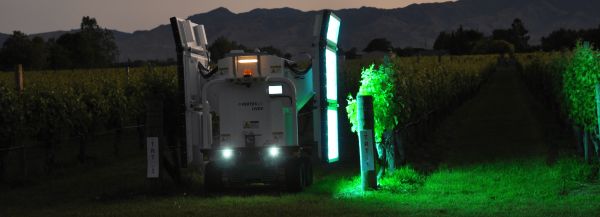
Bragato Research Institute, in partnership with A Lighter Touch (ALT), Whitehaven Wines, and Agri Automation, is now exploring UV-C light as a promising non-chemical control. UV-C works by damaging fungal DNA, preventing reproduction. Unlike conventional fungicides, it leaves no residues, poses less environmental risk, and can operate in diverse weather conditions via autonomous, electric vehicles. The project aims to assess UV-C's potential to reduce New Zealand vineyards' reliance on synthetic fungicides.
The need to more closely align resource allocation with actual use is becoming increasingly urgent.
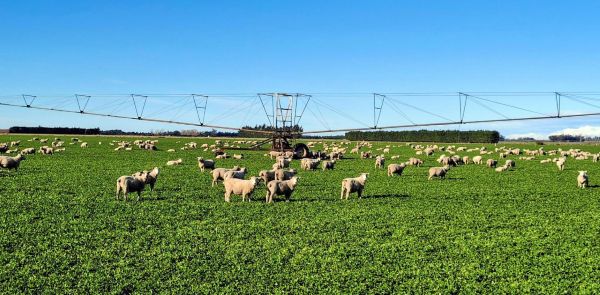
A new project, funded by MPI through their Sustainable Food and Fibre Futures programme, with co-funding from Regional Councils and led by Aqualinc Research Ltd, with support from Irrigation New Zealand, aims to close the gap between allocated and measured irrigation water use by upgrading the science behind irrigation modelling and modernising the tools used by councils and irrigators. Through nationwide engagement, technical innovation, and robust analysis of water meter data, the project will enable smarter, fairer, and more future-focused management of irrigation demand. The initiative aims to create a nationally consistent, credible, and transparent basis for setting irrigation water use limits - one that supports both environmental integrity and rural productivity.
By modernising the IrriCalc system and developing a new database of reasonable irrigation use, the project will support better decision-making at the regional and farm level. Councils will have access to improved tools for setting limits in water use consents, and irrigators will benefit from clearer standards and efficiency gains.
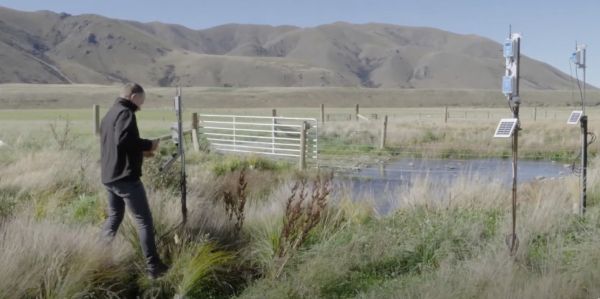
Farmers across Mid Canterbury are taking water quality into their own hands, using real-time nitrate sensors to better understand and protect local waterways.
Since 2022, the Mid Canterbury Catchment Collective, made up of volunteer groups and funders, have been testing water regularly using portable and installed nitrate meters that deliver instant results.
The sensor technology, developed by Lincoln Agritech with spin-out company HydroMetrics, offers continuous, in situ monitoring, giving farmers a clearer picture of what's happening in their streams, drains, and springs.
Traditionally, nitrate levels were measured through monthly grab samples at a lab, which only gave a very limited snapshot says Lincoln Agritech Group Manager of Green Futures, Dr Dave Rankin.
"You'd typically get one data point a month, which isn't enough to understand what's really going on. We developed an optical technique that delivers real-time, continuous nitrate readings directly in the water so farmers can respond to changes as they happen."
The sensors have helped farmers establish nitrate baselines, monitor seasonal changes, and assess the impact of mitigations such as riparian planting. Photo: Lincoln Agritech.
New Zealand's National Embodied Carbon Data Repository, NECO2, is now freely and publicly available at www.neco2.co.nz.
Developed by CIL Masterspec using 12 years of BRANZ-verified embodied carbon data, NECO2 supports the construction sector to make informed decisions that reduce the carbon impact of buildings.
Mark Jones, General Manager Research at BRANZ, says the construction sector is committed to creating more sustainable buildings, and "a lot of good work has been done over the years to collate and make available carbon data using a range of different tools. NECO2, powered by BRANZ-verified data and scientific rigour, supports the sector to take a leap forward in its approach to materials selection for a lower-impact construction sector.”
Following BRANZ's recent major embodied carbon data update, NECO2 now provides architects, designers, and engineers with access to New-Zealand specific, verified embodied carbon data on thousands of construction materials and products.
A future release of NECO2 will enable direct access for third-party tools such as carbon calculators - making the data more accessible and actionable.
Steel is central to New Zealand's construction sector - powering everything from high-rise buildings and bridges to transport and energy infrastructure. But ensuring its long-term performance requires more than strength of design. Corrosion protection, durability planning, and fire performance are critical to keeping structures safe, resilient, and cost-effective over time.
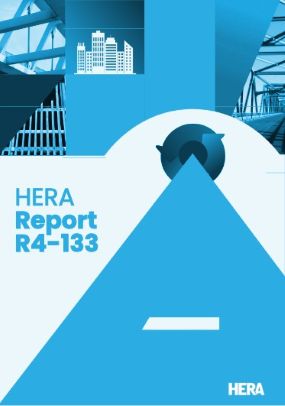
HERA have recently released the fourth revision of R4-133: New Zealand Steelwork Corrosion and Protection Guide. The updated guide offers the industry a modern, expert-led resource designed to raise the bar on best practice for steel durability and protection.
The guide - developed by Raed El-Sarraf (Structural Integrity Consultants), Willie Mandeno, and Hanieh Ghominejad (WSP) with Kaveh Andisheh (HERA) - has been refined through a nationwide consultation process. Feedback from corrosion experts, engineers, fabricators, and construction professionals was incorporated into the final version, ensuring it reflects both the latest research and the realities of the job site.
Scarlatti Associate Finn O'Keeffe specialises in mathematical modelling and data analysis. Recently he wrote about a real example of using Integrated Data Infrastructure to answer a question that would be difficult to answer using conventional research methods.
"Some questions are just too big - or too expensive - for traditional research methods like surveys and interviews. Especially when you're trying to understand complex systems across an entire sector or population. That's where the Stats NZ Integrated Data Infrastructure (IDI) comes in. The IDI lets approved researchers securely link data about people's employment, education, visa status, and more, giving a rich, population-level view."
In 2024, the Food and Fibre Centre of Vocational Excellence came to Scarlatti with a tricky question: Could coordinating seasonal work and offering training opportunities help ease long-standing workforce shortages in the food and fibre sector?
"Answering a question like this would normally require a substantial budget if conventional research methods were used. But by turning to the IDI, we were able to test this idea in a robust...and cost-effective way."
Roughly sixty percent of old car tyres end up in landfills, stockpiled, or dumped - creating massive fire risk and environmental problems.
Every so often, stockpiles of waste tyres hit the headlines for all the wrong reasons. The Amberley tyre fire of 2021 was a sad case in point, where 160,000 old tyres were deliberately torched. Toxic plumes of black smoke billowed high in scenes more reminiscent of a war zone.
WSP's lead advisor for transport research and Tyrewise steering group member Jeremy Wu says events like these symbolise the enormity of New Zealand's tyre disposal challenge. As well as the ever-present risk of catching alight, chemicals and heavy metals in stockpiled tyres can leach into soil and groundwater.
"It's a mountain of a problem, with very real environmental and human health implications."
New Zealand exports some end-of-life-tyres. But as we saw a few years ago with China's National Sword policy on plastics, overseas markets are moving away from importing other countries' waste. They don't want them adding to their own confronting waste management issues.
The New Zealand Government is proposing significant amendments to the Fisheries Act 1996 to modernise how we manage our fisheries. As fisheries science providers, Dragonfly Data Science weighed in with their thoughts through a public submission.
Dragonfly Data Science regularly works in the fisheries sector, and are strong advocates for a responsive, transparent, and science-led approach to managing fisheries in Aotearoa.
Led by Dragonfly director and fisheries scientist, Dr Philipp Neubauer, Dragonfly supports aspects of the proposed amendments to the Fisheries Act 1996, in particular the use of management procedures (MPs), which are pre-agreed, science-based rules that allow catch limits to be adjusted using regularly-updated data.
"Fisheries management needs to be responsive," says Philipp.
"If our data and technology are properly resourced, and processes are backed by solid science, we have a real opportunity to build an adaptable and robust system that keeps pace with changes as they're happening in the ocean for the benefit of all stakeholders."
Laurie Winkless, a New Zealand-based physicist and science journalist for Forbes Magazine fascinated by cities recently wrote about BRANZ's new Fire Laboratory - a research facility in Judgeford, Porirua which puts flooring and cladding materials to the ultimate test.
"Just before 1 am on 14 June 2017, a fire broke out in Grenfell Tower, a high-rise apartment block in West London. Triggered by an electrical fault in a fridge-freezer, the fire should have been a minor one; quickly containable and easily extinguished by the London Fire Brigade.
"But unbeknownst to the residents and the firefighters, there was a problem with the tower's exterior cladding. Added during refurbishments a year earlier, the cladding was made from aluminum panels filled with highly-flammable polyethylene, and backed with combustible insulation. Once the fire 'breached the window of Flat 16', it rapidly spread through the cladding, eventually engulfing the entire building with flames.
"The Grenfell Tower disaster became Britain's worst residential fire since the Second World War, causing the deaths of 72 people and injuring hundreds of others."
Motu Senior Fellow Arthur Grimes was Chair of the Reserve Bank for over a decade, and was invited to speak to Jack Tame on Q+A about the Reserve Bank's role and recent news.
Arthur said he doesn't think there will be long-term damage to trust in the central bank over its handling of Adrian Orr's departure. He told Q+A there were short-term concerns about its reputation and he believed the central bank had made some "misleading" statements.
"Probably the top of the list (of the RBNZ's priorities) was to ensure privacy," says Arthur.
"But having said that, it was important not to say something that could potentially mislead, and I think some of the statements were misleading.”
Former Reserve Bank governor Adrian Orr resigned in March, followed by chairperson Neil Quigley late last month. Orr's resignation has been attributed to a disagreement with Finance Minister Nicola Willis and the RBNZ's board over the central bank's funding.
Arthur said it was "hugely important" that the bank remained an independent institution.
Bragato Research Institute (BRI) has announced three new research projects, adding to the six selected earlier this year through its 2025 research proposals round. Together, these projects aim to drive innovation and deliver lasting value to New Zealand's grape and wine sector.
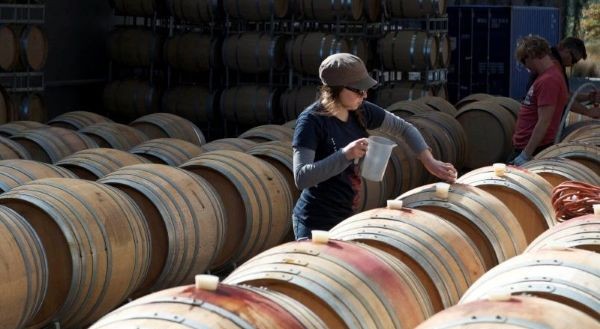
The first project focuses on bulk wine shipping, a growing part of New Zealand's export market. It will consolidate existing knowledge on production and packaging while identifying gaps and opportunities for improvement. A second project investigates the production of low and no-alcohol wines, an area of rising consumer interest. Researchers will evaluate yeast strains for their ability to reduce alcohol levels and test mouthfeel-enhancing additives that could improve texture, body, and overall quality.
The third project, led jointly by BRI and Victoria University of Wellington, targets the destructive fungus Botrytis cinerea, which causes grey mould and negatively affects wine quality. By applying cutting-edge genomics and protein-engineering tools, researchers aim to design mini-proteins that block harmful enzymes, reducing oxidative damage and protecting premium wines. Together, these studies highlight BRI's commitment to advancing science and supporting New Zealand winemaking.
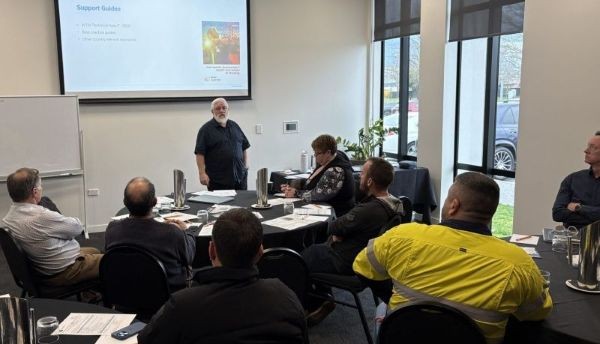
The risk of fire and explosion during welding and thermal cutting is ever-present — a fact underscored by several recent incidents. In response, HERA Senior Welding Engineer Patrick Fenemor has announced the release of HERA: Managing the Risk of Welding Related Fire and Explosions - Best Practice Guidelines to help ensure safety across New Zealand's welding industry.
Patrick emphasises that every welding operation must follow established standards such as AS/NZS 1554.1 Structural Steel Welding, which outlines both technical requirements and essential safety procedures. While employers are legally responsible for workplace safety, the practical responsibility often lies with the welding supervisor, who must oversee all welding activities and ensure compliance with hot work permits and supervision rules under AS 1674.1.
Because welding inherently involves heat, effective risk management focuses on eliminating fuel and oxygen sources, controlling heat spread, and maintaining strict supervision. HERA's guidelines provide a vital reference for ensuring safer, more resilient welding practices across Aotearoa.
The Malaghan Institute has been awarded more than $5M funding in MBIE's 2025 round of the Endeavour Fund for a collaboration with the Auckland Cancer Society Research Centre based at the University of Auckland to investigate novel methods to improve patient responses to immunotherapies for lung cancers.
Immune checkpoint inhibitors have revolutionised cancer treatment in recent years. The immunotherapy works by blocking the 'off signals' on T-cells - keeping these cancer-killing immune cells fighting cancer, for longer. They are used as a standard treatment for many cancers, including lung, breast and skin cancer.
Despite the success of immune checkpoint inhibitors, many patients don't respond to the therapy, or the immune response is too weak to completely remove the tumour. The Malaghan Institute's Hermans Lab and the Auckland Cancer Society Research Centre will be exploring novel immune-stimulant molecules to use alongside immune checkpoint inhibitors to boost their effectiveness and improve patient outcomes.
"This work represents decades of combined experience in creating immunotherapies and targeting therapeutics selectively to tumours," says Professor Ian Hermans.
In this episode of Stirring the Pot, Osama Mughrabi, Mick Fritschy and Caroline James discuss one of the biggest shifts facing construction: digital product passports. With costs rising, resources tightening and pressure mounting to build more sustainably, the idea of reusability and circular economy is no longer on the fringes. It is becoming central to how we prepare this sector for the future.
Bragato: UV-C light as an alternative to fungicide
The side effects of agricultural pesticides, particularly fungicides, are well documented and widely known. Synthetic fungicides pose serious threats to biodiversity and are toxic to both the environment and operators. When the same active ingredient is repeatedly used over time, the development of resistance is inevitable. UV-C light is a promising alternative to synthetic fungicides.
IRANZ has gone social. For up-to-date information about the activities of our member organisations and notification of updates to the website follow us on the link below.
IRANZ is an association of independent research organisations. Its members undertake scientific research, development or technology transfer. Members include Aqualinc Research Ltd, Bragato Research Institute, BRANZ, Cawthron Institute, DigiLab, Dragonfly Data Science, Estendart Research Ltd, Gillies McIndoe Research Institute, HauHau Research, Heavy Engineering Research Association (HERA), International Global Change Institute (IGCI), Leather & Shoe Research Association (LASRA), Lincoln Agritech Ltd, Mackie Research, Malaghan Institute of Medical Research, Manawatū AgriFood Digital Lab, Medical Research Institute of New Zealand (MRINZ), Mātai Medical Research, M.E Research, Motu Economic and Public Policy Research, National Transport Research Organisation (NTRO), Scarlatti, Takarangi Research Group, Te Tira Whakāmataki, and WSP Research.
Contact: Dr Rob Whitney, Executive Officer, mobile: +64 27 2921050, email: information@iranz.org.nz