The Government's plan to repeal the Building Research Levy Act represents a major shift for New Zealand's building and construction sector. In undertaking such changes it will be important to ensure continuity of almost 60 years of investment in building science and the long-term research that underpins safer, healthier, and more resilient buildings. Repealing the Act would transfer funding decisions to central government and officials, distancing them further from the industry that both funds and relies on this research.
Under these circumstances IRANZ cannot support repeal of the Act.
As an alternative, we advocate modernising the Building Research Levy Act to ensure funding remains contestable, transparent, and aligned with sector priorities, which would be consistent with the Government's broader objectives for New Zealand's building industry and the science and innovation system.
We strongly believe the Building Research Levy should be invested with direction from a building industry advisory panel. This will strengthen the building sector's commitment to the application of the research and its ability to respond to urgent and emerging issues, such as climate resilience and new building technologies.
If Government proceeds with repeal, we urge the introduction of essential safeguards: legislating a baseline of ring-fenced funding for BRANZ to maintain core research infrastructure; guaranteeing transitional funding that protects specialist expertise and critical long-term datasets; and ensuring continued investment in practical tools and knowledge transfer that deliver measurable benefits for the building and construction industry. You can read the response from BRANZ below.
On a brighter note, this year's Marsden Fund results have highlighted the strength and diversity of discovery research across the IRANZ community. At Cawthron Institute, Dr Laura Biessy will investigate whether pipi use naturally occurring neurotoxins as a defence against predators, shedding new light on evolutionary arms races in the marine environment. Dr Georgia Thomson-Laing, working with Dr Finnbar Lee, will use environmental DNA preserved in lake sediments to uncover how the extinction of the upokororo reshaped Aotearoa's freshwater ecosystems.
Motu Research has also secured a Fast Start Marsden grant. Senior Fellow Stuart Donovan and colleagues will explore the social and economic conditions that help urban centres thrive, offering new insight into productivity and wellbeing across Aotearoa's towns and cities.
The Malaghan Institute has been awarded four Marsden grants, enabling pioneering research into CAR T-cell therapies for solid tumours, the reprogramming of allergic immune responses, the discovery of protective lung microbes, and the development of a therapeutic mRNA vaccine for liver cancer. These projects exemplify the kind of ambitious, blue-sky science that fuels tomorrow's breakthroughs.
Across the wider independent research sector, our members continue to demonstrate why New Zealand needs strong, agile, and industry-connected science. From advances in health research and environmental monitoring to innovations in primary production, building performance, and economic analysis, independent research organisations are delivering the evidence and tools that help communities and industries thrive.
As we head into the holiday season, I want to thank all our members, partners, and supporters for their continued commitment to research that truly serves Aotearoa.
Wishing you all a safe and happy festive season, and a restorative break with whānau and friends.
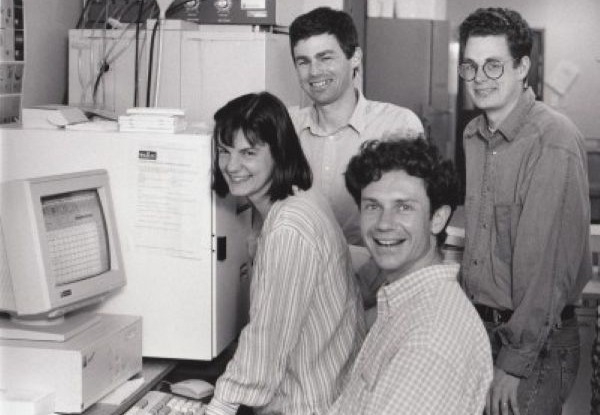
In the three decades Professor Graham Le Gros served as director of the Malaghan Institute, he brought together people to make a difference, uniting them under one goal: to bring life-changing, cutting-edge treatments to New Zealanders. Clockwise from left, Franca Ronchese, Graham Le Gros, John Holloway, and Rod Dunbar. Photo: Malaghan Institute of Medical Research.
Cabinet's proposal to repeal the Building Research Levy Act represents a major shift for New Zealand's building and construction sector.
BRANZ has welcomed the Government's goal of modernising building research funding, noting that "greater clarity on levy collection is needed." At the same time, the organisation has raised concerns about potential impacts on long-term, independent research.
The proposed move to contestable funding is seen as positive, with BRANZ already investing millions annually in contestable research aligned with industry priorities, guided by its Research Investment Advisory Group to ensure sector-led decisions.
However, BRANZ cautions that core research capability must be maintained. "It will be essential to keep a level of stable, sector-led investment to maintain and build the core research capability that has been built up in New Zealand over almost 60 years," the organisation states.
The Building Research Levy Act has historically addressed market failures, funding independent research that improves safety, warmth, and affordability in housing.
Groundbreaking new research from Motu Research has revealed more than half a billion dollars of KiwiSaver and other retail investments were lent to Governments on "high alert" for human rights violations.
The findings shine a light on a hidden corner of ethical investing — government bonds.
"People deserve to know what their money is supporting," said Motu Affiliate Anne-Marie Brook. "Until now, investors and fund managers have focused on the ethical dimension of other types of investments - especially shares in companies, while sovereign bonds have escaped such scrutiny."
The research shows that if fund managers applied consistent human rights checks across all investments, Aotearoa could build a fairer and more sustainable financial system. The report says there is real potential for new products that direct investment toward countries with stronger human rights records - giving investors confidence their savings support a fairer world.
More than two-thirds of the high-alert investments came from funds certified by the Responsible Investment Association Australasia (RIAA).
Two researchers at Cawthron have been awarded Marsden grants, recognising their groundbreaking work to understand how aquatic ecosystems evolve, adapt, and recover.
Dr Laura Biessy and her collaborators will investigate how naturally occurring toxins influence predator-prey relationships in the marine environment. Her project, An evolutionary arms race: understanding the costs and benefits of toxin accumulation in kaimoana, explores whether pipi use the potent neurotoxin tetrodotoxin (TTX) as a defence against snapper. The research will shed new light on how chemical defences shape evolution and what this means for species health, reproduction, and resilience.
Dr Georgia Thomson-Laing's project, The ecological legacy of extinction in freshwater ecosystems, uses cutting-edge environmental DNA (eDNA) analysis to uncover how the extinction of the native grayling (upokororo) reshaped Aotearoa's freshwater systems. By analysing DNA preserved in lake sediments, Georgia (and associate investigator Dr Finnbar Lee) will aim to reconstruct ecological change over the past 150 years and reveal how the loss of this unique fish altered biodiversity and ecosystem function.
Motu Economic and Public Policy Research been awarded a prestigious Marsden Fund Fast Start grant for research into what helps our urban centres grow and thrive.
Senior Fellow Stuart Donovan will be the Principal Investigator for this research, working alongside Motu's Dave Maré and Arthur Grimes, as well as Ryan Greenaway-McGrevy (University of Auckland).
The team will do detailed research of the benefits and costs that arise when people and organisations locate closely together, helping to identify the kinds of urban environments that best support people's productivity and wellbeing.
About 87% of New Zealanders live in urban areas. While most urban areas in Aotearoa are growing, some have struggled and declined, raising key questions: What sort of urban environments best support productivity and wellbeing? And can we improve urban outcomes in places that have been facing challenges?
The team will use census data and advanced statistical methods to explore how broad socioeconomic conditions, such as social trust and crime levels, influence urban economic outcomes across Aotearoa.
The Malaghan Institute has secured four prestigious Marsden Fund grants worth more than $2.6 million over three years to advance innovative biomedical research. The projects span enhancing CAR T-cell therapies for solid tumours, reprogramming allergic immune responses, uncovering protective microbes in the lung, and developing a therapeutic mRNA vaccine for liver cancer.
Director Professor Kjesten Wiig says the awards highlight both the calibre of Malaghan's scientists and the importance of blue-sky research in driving medical breakthroughs.
"Blue-sky research is vital for an independent biomedical institute like ours - it fuels the discoveries that will eventually become real-world treatments with sustained investment."
The funded projects, led by Drs David O'Sullivan, Olivier Lamiable, Kerry Hilligan, and Olivia Burn, will explore new frontiers in cancer immunotherapy, allergy treatment, and infectious disease prevention - reinforcing Malaghan's commitment to pioneering research that improves human health.
The Medical Research Institute of New Zealand (MRINZ) recently announced a major milestone for the Mega-ROX trial, led by Professor Paul Young and the MRINZ Critical Care team. The trial has now reached 40,000 participants, making it the world's largest study in intensive care.
Mega-ROX is exploring how different oxygen therapy strategies affect critically ill patients who require unplanned mechanical ventilation. The trial compares conservative oxygen therapy, with lower oxygen targets, against liberal oxygen therapy, with higher oxygen delivery. It also includes nested sub-studies for patients with sepsis, acute brain injuries, and patients who are unconscious after a cardiac arrest, helping clinicians worldwide understand which approach to oxygen therapy works best for different people.
The main focus of the trial is in-hospital mortality, while secondary outcomes look at how long patients spend on ventilators, their stay in ICU and hospital, and whether they return home. By involving tens of thousands of patients across the globe, the trial is helping shape ICU care worldwide, providing evidence to guide safer, more effective oxygen therapy for critically ill patients everywhere.
Researchers, biotech teams, and academic innovators can now accelerate early-stage discovery through the Gillies McIndoe Research Institute's Translational Research Services in Newtown, Wellington.
Designed to support translational and preclinical research, the services provide external teams with access to advanced infrastructure, specialist expertise, and high-quality patient-derived samples - resources that are often difficult for small research groups or startups to secure.
The institute houses a pathology-grade histology suite, including a Leica Bond RX automated research stainer, supporting H&E, IHC, FISH, ISH, and Nanostring spatial transcriptomics. Services are available on a fee-for-service or collaborative basis, offering a cost-effective pathway to generate robust histological data.
Complementing this capability is Gillies McIndoe's extensive tissue and cell bank, which includes FFPE blocks, frozen tissue, serum, plasma, and patient-derived cell lines. Biobanking and tissue-processing services are available under approved ethics.
Drug development teams can also access a range of cell-based assays, including 3D tumour sphere growth, angiogenesis, fibrosis, and wound-healing models, supporting early efficacy testing and proof-of-concept studies.
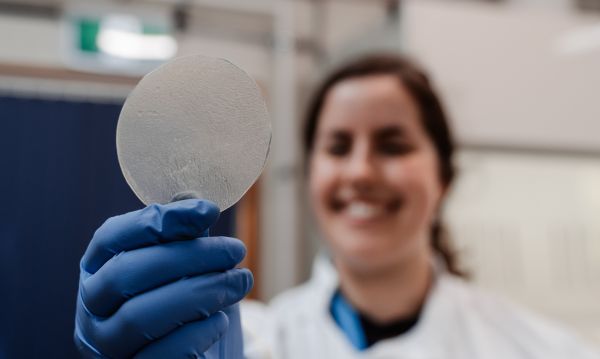
Lincoln Agritech's New Materials team has developed a breakthrough bioplastic that could replace single-use plastics in healthcare.
While working on a process for developing cellulose fibres, Lincoln Agritech Research Assistant Erica Sue-Tang had an idea.
"While I was working with the team on cellulose fibres, it sparked a thought, what if we could take it further and create a new cellulose-based plastic?"
That question led to a material that shows promising strength compared to common bioplastics and could offer an alternative to conventional plastics, without the environmental and health risks.
Hospitals and home healthcare rely on millions of single-use plastic items like ostomy bags, glucose sensors and dialysis tubing. These plastics don't break down and can shed microplastics, even during and after sterilisation.
Those particles may enter the human body, and while research is still emerging, early signs point to potentially serious health risks.
"Common petroleum-based plastics aren't renewably sourced or biodegradable and millions of tonnes end up in the environment, creating microplastics," says Erica.
Erica pitched the concept of bioplastics at Falling Walls Lab, a global competition for world-changing ideas, where her presentation "Breaking the Wall of Biodegradable Bioplastics" reached the national finals earlier this year in Wellington. Photo: Lincoln Agritech.
A major five-year research programme, led by Professor Paul Kilmartin (University of Auckland) and Dr Tripti Singh (Scion - Bioeconomy Science Institute), is exploring how to transform grape marc - one of the wine industry's largest waste streams - into high-value products. Backed by $9.8 million from the MBIE Endeavour Fund, the Waste to Treasure programme is developing novel chemical processes to recover protein, phosphorus, lignin, cellulose, anthocyanins and tannins from this underutilised resource.
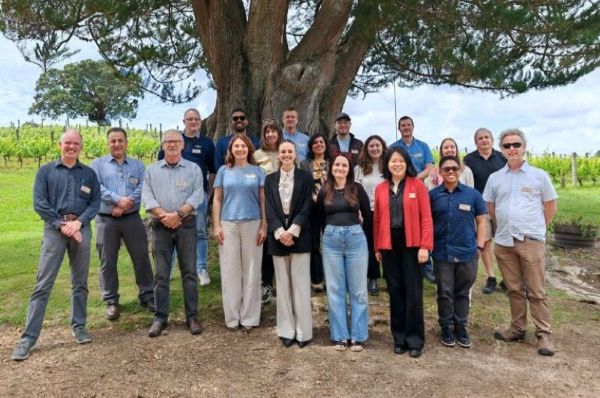
The programme has grown to include two Research Fellows and nine PhD students across partner institutions, supported by wide-ranging national and international collaborators. A Stakeholder Advisory Group provides industry input, with Bragato Research Institute represented by Sustainability Research Leader Dr Seth Laurenson. BRI contributes expertise and helps connect the programme with the New Zealand wine industry.
Early research has focused on optimising extraction technologies and characterising grape marc from different regions. Work is structured into three areas: speciality chemicals, polyphenol-based products, and functionalised grape marc paper.
After low groundwater levels at the start of the last irrigation season, Canterbury's groundwater systems have bounced back strongly for the start of the 2025-26 season.
Groundwater levels prior to the start of this irrigation season in mid-Canterbury (1 September 2025) were among the highest observed over the past 20 years, based on various ECan monitoring bores of depths typically used for irrigation. This marks an impressive rebound from the low winter and summer groundwater levels of 2024.
These current high-water levels are thanks to a significant amount of aquifer recharge that has occurred over the previous autumn and early winter, including the effect of the rainfall event that caused widespread flooding in the Selwyn District in early May. Aquifer recharge is the process by which rainfall on the land surface and river seepage replenish groundwater stored in the underlying aquifers. Across the Canterbury Plains, recharge is largely driven by rainfall and alpine river flows from preceding seasons. Monthly rainfall totals during the 2024-25 summer and autumn were well above average, providing a major boost to groundwater storage going into this irrigation season. The higher summer rainfall meant that abstraction was lower, and the winter recovery of groundwater levels started from a higher baseline.
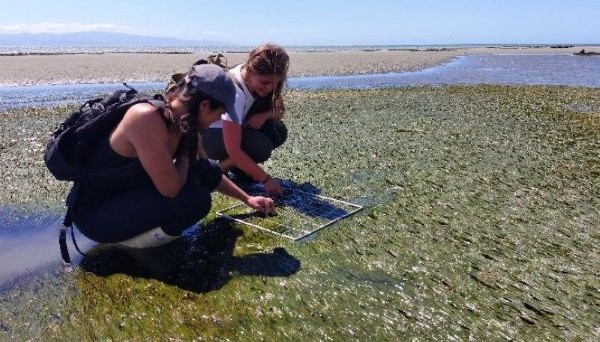
Cawthron scientists are working alongside communities to restore one of Aotearoa New Zealand's most valuable, but often overlooked, coastal habitats: seagrass meadows. To advance this work, Cawthron has launched a new national database and mobile app that empowers communities to collect and share flowering data to support seagrass restoration efforts.
"Restore the Meadows" is a multi-year research programme that aims to pioneer seagrass restoration techniques for Aotearoa New Zealand. Seagrass is a marine flowering plant that forms vast underwater meadows in estuaries and harbours. These meadows are biodiversity hotspots, natural water purifiers, and important carbon stores that help combat climate change.
"Seagrass meadows are an essential part of healthy coastal ecosystems," says programme co-leader Dr Dana Clark. "They filter water, stabilise sediment, and provide habitat for fish and shellfish. When we protect and restore them, we're protecting the foundation of our coastal food webs and the communities that depend on them."
The programme's goal is to make seagrass restoration accessible to all communities.
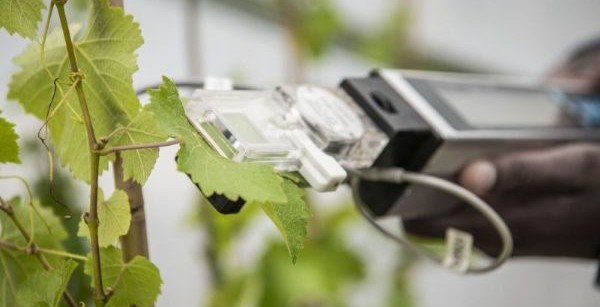
The Sauvignon Blanc Grapevine Improvement programme (SB2.0), launched in 2021, is advancing efforts to develop new Sauvignon blanc clones that can help the New Zealand wine industry adapt to a changing climate and evolving environmental pressures. Since its inception, Bragato Research Institute (BRI) has expanded the capability of its Grapevine Improvement team and established a specialised molecular laboratory to investigate the genetic differences between grapevine varieties and unique clones of New Zealand's flagship variety.
A major milestone was reached in 2024 with the planting of a new vineyard at Lincoln University, containing 6,000 unique Sauvignon blanc clones. A further 4,000 will be added in 2025. These clones were generated by leveraging the grapevine's natural ability to adapt, creating random genetic variation through controlled stress treatments. No foreign genetic material is introduced, meaning the vines are non-GMO.
Over the coming years, BRI will screen the 10,000 plants for key industry traits, including disease resistance, yield, drought tolerance, water-use efficiency, and frost tolerance, using high-throughput technologies to accelerate the search.
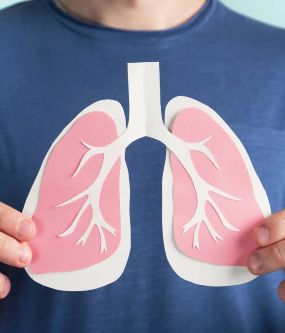
A new study led by the MRINZ has found that adults with asthma can safely simplify their treatment, reduce their exposure to steroids, and improve asthma control using a structured, stepwise Anti-Inflammatory Reliever (AIR) Algorithm.
The findings, published in The Lancet's eClinicalMedicine, come from the Anti-Inflammatory Reliever Algorithm trial - a 52-week open-label study involving 100 adults aged 18-75 years with mild, moderate, or severe asthma.
Participants began treatment with a combination 2-in-1 budesonide–formoterol inhaler, starting at one of three treatment steps according to the severity of their asthma. They then followed a practical stepwise algorithm, adjusting their treatment up or down in response to reliever use and asthma attacks. During the first half of the study, participants were guided by doctors; in the second half, they made these adjustments themselves.
The stepwise approach resulted in a clinically important increase in patient satisfaction. By week 52, 60% of participants had transitioned to the lowest treatment step, using budesonide-formoterol solely as needed, compared with 25% who started the trial at this step.
Research from the Malaghan Institute has found that a type of immune cell resident in the nose may be key to designing more effective vaccines for respiratory infections.
"Your nose has a specialised immune tissue that helps your body stop viruses before they spread," says postdoctoral researcher Dr Isabelle Montgomerie, who led this research recently published in Mucosal Immunology.
"In this research we found that a type of immune cell called an NKT-cell that lives in the nasal associated lymphoid tissue gives extra help there, letting the body make stronger antibodies than usual. This finding could be a key in designing better nasal vaccines that stop infections from gaining a foothold in the nose, throat, or lung."
When launching an immune response to a foreign invader, T-cells and B-cells work together to generate protective antibodies specific to the threat they're facing. Activated B-cells enter germinal centres, a nexus hub of immune cells that create and coordinate antibodies to microscopic threats like viruses and bacteria.
When fighting a virus or bacteria, if this process happens at the site of infection it can shorten the window infections have to wreak havoc.
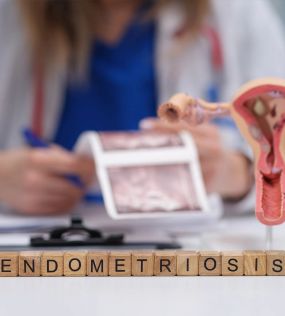
A milestone study led by the Medical Research Institute of New Zealand (MRINZ) has revealed that endometriosis and chronic pelvic pain impose an annual economic burden of more than $22 billion on Aotearoa New Zealand - placing these conditions among the country's most significant public health issues.
Published this month in MDPI Women, this is New Zealand's first national cost-of-illness analysis for endometriosis and chronic pelvic pain. Using the World Endometriosis Research Foundation (WERF) EndoCost tool and updated health economic methodology, the study drew on detailed patient-reported outcomes, health service use, and productivity data from more than 120,000 New Zealanders affected - including women, girls, and people assigned female at birth.
Dr Jordan Tewhaiti-Smith, MRINZ Research Fellow and Registrar in Obstetrics and Gynaecology, led the work. He says the findings make clear the scale and urgency of the issue.
"Our findings reveal decades of accumulated loss for those living with endometriosis and chronic pelvic pain. New Zealanders are carrying the direct costs of repeated appointments, investigations, interventions, and fertility care, alongside enormous indirect costs through lost income, reduced hours, and disrupted careers and education."
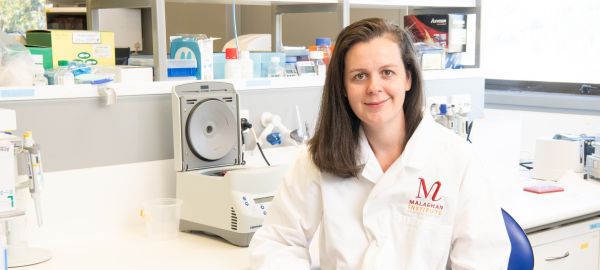
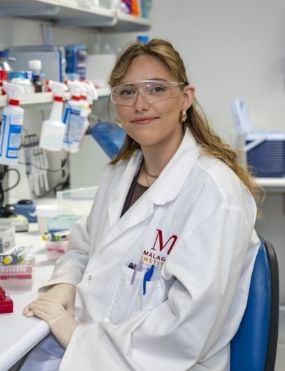
Georgina Wheller, a research officer in Dr Tom Mules' Lab at the Malaghan Institute, is contributing to vital research tackling one of the world's most urgent health challenges: antimicrobial resistance.
"Antimicrobial resistance isn't just a distant problem - it's here in Aotearoa," says Georgina.
Her research focuses on Helicobacter pylori, a stomach cancer causing bacteria that is becoming increasingly resistant to antibiotics. H. pylori is a master shapeshifter. In its ideal environment - the stomach - it's a spiral-shaped bacterium. But when exposed to stressors such as antibiotics, it can morph into other forms, a survival tactic that helps it evade antibiotics.
This allows H. pylori to hide in the stomach, quietly causing inflammation and increasing the risk of mutations. This slow, invisible attack can eventually lead to stomach cancer. The growing resistance of H. pylori to antibiotics poses a significant challenge to both treatment and prevention.
"Around the world, antibiotic resistance rates are climbing and so are stomach cancer rates," explains Georgina.
BRANZ ventilation experts Stephen McNeil and Dr Manfred Plagmann were recently interviewed by Jogai Bhatt at Radio New Zealand. They have a few tips on how to cool down this summer.
"The fundamental issue is really solar gain, it's the sun coming in through your windows that's the main reason your building's getting too hot," says Stephen. Managing how a home is operated throughout the day can make a significant difference.
Both experts recommend opening windows when the outdoor air is cooler, especially in the evenings. Bedrooms are often the hardest places to keep comfortable overnight, though security and insects can complicate leaving windows open.
Simple techniques, such as placing a wet towel over a fan, can help - provided the air isn't too humid. "...it's an effective one, and it's more or less free," says Manfred.
External shading, ceiling fans, and even a cold compress on pulse points can also offer relief. As Stephen notes, it's all about the evaporation of sweat. That's why sleeping with one leg out of the covers works.
"Your leg's quite a big muscle group, so that's quite a lot of mass that's exposed to the cool air... really it should be both legs out of the covers."
In this episode of Stirring the Pot, Richard Templer, Chief Executive of Engineering New Zealand Te Ao Rangahau, discusses how Aotearoa funds its engineering system and why the levy on steel producers plays a bigger role than many realise.
Cawthron science helps unravel cause of major South Australian algal bloom
When a devastating algal bloom struck South Australia earlier this year, Cawthron scientists worked closely with Professor Shauna Murray from the University of Technology Sydney, lead author of a new preprint article on the event, to identify the species involved and the toxins they produced.
IRANZ has gone social. For up-to-date information about the activities of our member organisations and notification of updates to the website follow us on the link below.
IRANZ is an association of independent research organisations. Its members undertake scientific research, development or technology transfer. Members include Aqualinc Research Ltd, Bragato Research Institute, BRANZ, Cawthron Institute, DigiLab, Dragonfly Data Science, Estendart Research Ltd, Gillies McIndoe Research Institute, HauHau Research, Heavy Engineering Research Association (HERA), International Global Change Institute (IGCI), Leather & Shoe Research Association (LASRA), Lincoln Agritech Ltd, Mackie Research, Malaghan Institute of Medical Research, Manawatū AgriFood Digital Lab, Medical Research Institute of New Zealand (MRINZ), Mātai Medical Research, M.E Research, Motu Economic and Public Policy Research, National Transport Research Organisation (NTRO), Scarlatti, Takarangi Research Group, Te Tira Whakāmataki, and WSP Research.
Contact: Dr Rob Whitney, Executive Officer, mobile: +64 27 2921050, email: information@iranz.org.nz